When Do Dogwoods Bloom in NJ

Why Dogwood Bloom Timing Matters
Knowing when your dogwood tree is set to bloom is more than just a pretty detail; it actually matters quite a bit for a few reasons. For starters, it helps you appreciate the natural rhythm of your garden. Dogwoods are often one of the first trees to really put on a show in the spring, signaling that winter is truly over. Seeing those delicate white or pinkish blooms pop out can be a real mood booster after a long, gray season.
Beyond just the aesthetic appeal, the timing of dogwood blooms is important for the local ecosystem. These early flowers provide a vital food source, like nectar, for early-rising pollinators such as bees and other insects. If you’re trying to support local wildlife, understanding when your dogwood is in bloom helps you know when to expect these helpful visitors. It’s all part of a bigger picture, you know? The fruits that follow the blooms are also a food source for birds later in the year. So, the whole cycle is connected.
Plus, if you’re planning any kind of garden event or just want to time your outdoor activities with peak natural beauty, knowing the bloom window is key. You wouldn’t want to plan a backyard party for the week after the dogwoods have finished their show. It also helps when you’re choosing other plants for your yard. You might want to pair your dogwood with other plants that bloom around the same time for a continuous display of color, or choose plants that bloom later to extend the visual interest. Thinking about cut flowers for your zone can help you plan a garden that looks good all season long.
And let’s be honest, sometimes we just want to know when to expect that burst of color. It’s a natural marker for the changing seasons, and for many, it’s a sign that warmer weather is finally here to stay. It’s a simple pleasure, but a significant one for anyone who enjoys their yard.
When Do Dogwoods Bloom in New Jersey?
Alright, so you’re wondering when those gorgeous dogwood trees will put on their show in your New Jersey backyard. It really depends on the type of dogwood you have, but generally, you’re looking at spring. The classic Flowering Dogwood, which is native to our area, usually starts showing off its white blooms sometime in April and can keep going into early May. It’s a real sign that spring has sprung here in the Garden State.
Now, if you’ve got one of the newer Rutgers-developed varieties, like the Scarlet Fire® or Eternal Scarlet™, you might get a bit of an extended show. These hybrids were specifically bred to bloom a little later, often into late May. This is pretty neat because it means you can enjoy those vibrant pink and red blooms when a lot of other spring trees have already turned green. It’s like getting a second act for your spring flowering trees.

Here’s a quick rundown of what to expect:
- Flowering Dogwood (Cornus florida): Typically blooms from April to early May.
- Kousa Dogwood (Cornus kousa): Usually blooms a bit later, from May to early June.
- Rutgers Hybrids (e.g., Scarlet Fire®, Stellar Nova™, Eternal Scarlet™): Bred to bloom in late May, offering a later splash of color.
Keep in mind, these are general timelines. Things like the specific weather we’ve had that year – a mild winter or a late frost – can nudge these dates around a bit. It’s always fun to watch and see exactly when your tree decides it’s showtime. If you’re looking to add some tropical flair, even in colder climates, you might be surprised what can grow here; some people even try growing palm trees in New Jersey with the right care.
What Type of Dogwood Is Most Common in New Jersey?
When you picture a dogwood tree in New Jersey, you’re probably thinking of the Flowering Dogwood, or Cornus florida. This is the classic, native beauty that graces many yards and woodlands with its delicate white “flowers” – which are actually modified leaves, called bracts – in the spring. It’s a beloved tree, but it does have its weaknesses. Our native dogwoods can be quite susceptible to diseases like anthracnose and are also prone to issues with borers, which can really stress the tree and even lead to its demise.
However, thanks to some dedicated work right here in New Jersey, we now have some fantastic new options. Plant breeders at Rutgers University have developed a series of hybrid dogwoods that combine the best traits of our native Cornus florida with the Kousa dogwood (Cornus kousa) from East Asia. These hybrids are specifically bred to be more resilient to common dogwood diseases and pests, making them a much more reliable choice for home gardeners.
Among these newer varieties, you’ll find a few standouts:
- Scarlet Fire®: Known for its vibrant pink-red blooms that appear later in the spring.
- Stellar Nova™: This one boasts exceptionally large, bright white bracts and is a vigorous grower.
- Eternal Scarlet™: As the name suggests, this variety has pink-red flowers and a longer bloom time, often extending for several weeks.
These Rutgers-developed dogwoods are cultivated to thrive in New Jersey’s climate while offering improved disease resistance and unique bloom colors and timing. They are becoming increasingly popular additions to landscapes, providing that beautiful spring color when many other trees have already finished blooming. It’s exciting to see these advancements that help ensure dogwoods remain a stunning feature in our gardens for years to come.
Month-by-Month Dogwood Bloom Timeline
When exactly you’ll see those beautiful dogwood blooms in your New Jersey backyard really depends on the specific type of dogwood tree you have and what the weather’s been like. It’s not a one-size-fits-all situation, you know?
Generally, the native Flowering Dogwood (Cornus florida) is the one that kicks things off. You can usually expect to see its showy white bracts, which look like petals, starting in April and going through early May. This is that classic dogwood bloom that many people picture. They tend to show up before the leaves fully emerge, giving you a burst of color when not much else is happening in the garden.
Then, you have the Kousa Dogwood (Cornus kousa). These guys bloom a bit later, typically starting in late May and continuing into June. Their blooms are also white, but they appear after the leaves have already unfurled. This is a great tree if you want a later spring show. Some newer varieties, like the Scarlet Fire® dogwood developed at Rutgers, are specifically bred to bloom even later, sometimes right up to late May or early June, offering a splash of deep pink when other dogwoods are fading. These newer hybrids are pretty neat because they’re also more resistant to diseases that can bother the native types. It’s amazing how plant scientists have worked to give us more options for native trees for New Jersey.
Here’s a quick rundown:
- April – Early May: Flowering Dogwood (Cornus florida) – White blooms, often before leaves appear.
- Late May – June: Kousa Dogwood (Cornus kousa) – White blooms, appear after leaves emerge.
- Late May – Early June: Newer Kousa hybrids (like Scarlet Fire®) – Often pink or red blooms, bred for later flowering and disease resistance.
Keep in mind that a mild winter or an unusually warm early spring can push these bloom times a little earlier, while a late frost can sometimes delay them or even damage the delicate blooms. So, while these are general timelines, always keep an eye on your specific tree and the local weather patterns.
Factors That Affect When Dogwoods Bloom
So, you’re wondering what makes your dogwood tree decide it’s time to put on its spring show? It’s not just one thing, really. A few different elements play a role in when those pretty bracts pop open.
First off, the weather is a biggie. Dogwoods are pretty sensitive to temperature. If you have a really warm spell early in spring, they might start to bud out, only to get zapped by a late frost. That can set them back or even damage the developing blooms. On the flip side, a consistently mild spring usually means a good, on-time bloom.
Then there’s the specific type of dogwood you have. In New Jersey, we’ve got a couple of main players. The native Flowering Dogwood (Cornus florida) usually blooms a bit earlier, often before its leaves fully unfurl. The Kousa Dogwood (Cornus kousa), which is originally from Asia, tends to bloom later, usually after its leaves have started to come in. So, if you’re seeing blooms in early May, it’s probably the native one. If you’re still waiting until late May or even early June, you might have a Kousa.
Where your tree is planted matters too. Dogwoods generally like a bit of shade, especially in the afternoon. Too much direct, hot sun can stress the tree, and a stressed tree might not bloom as well or as early. Also, the soil conditions play a part. They prefer moist, well-drained, slightly acidic soil. If the soil is too dry, too wet, or the pH is way off, the tree might struggle, and that can affect its blooming.
Finally, the tree’s overall health is key. A young tree might not bloom as profusely as a mature one. And, like I mentioned with the weather, if the tree has been through a lot – maybe a bad pest infestation or a disease like anthracnose – it might be too busy trying to recover to put a lot of energy into flowering. Keeping your dogwood healthy with proper watering and care is your best bet for a good show each spring.
How Long Do Dogwood Trees Bloom?
So, you’re wondering when do dogwood trees bloom and, more importantly, for how long? It’s a great question because you want to catch those beautiful blossoms at their peak. Generally, most dogwood trees, especially the native Flowering Dogwood (Cornus florida), put on their show for about two to four weeks. This usually happens in the spring, typically from April into May, depending on the specific variety and what the weather’s been like that year.
However, some of the newer, specially bred varieties are changing the game. For instance, the Rutgers-developed Scarlet Fire® and Eternal Scarlet™ dogwoods are known to bloom for a longer period, sometimes up to six weeks. This extended bloom time is a big deal for gardeners who want to enjoy the color for as long as possible. These newer hybrids were specifically bred not just for disease resistance but also for longer-lasting, more vibrant blooms.
Several things can influence how long your dogwood tree actually blooms:
- Weather: A sudden heatwave can shorten the bloom period, while mild, consistent temperatures can extend it.
- Tree Health: A healthy, well-cared-for tree will generally have a more robust and longer-lasting bloom than one that’s stressed by drought, pests, or disease.
- Variety: As mentioned, different types of dogwoods have naturally different bloom durations. Some are bred for longevity, like the ones developed at Rutgers.
- Pollination: While not directly affecting the duration of the bracts, successful pollination can influence the subsequent development of fruits, which is part of the tree’s overall cycle.
It’s pretty neat how much variation there is, even within the same type of tree. If you’re looking for a dogwood that blooms for a good stretch, you might want to research some of the newer cultivars. They really do offer a longer display of color in the landscape, making them a fantastic choice for many yards. For example, the Black locust tree, while different, also has a distinct blooming period in late spring that rewards patience Black locust trees.
How to Encourage Better Dogwood Blooms
Want your dogwood tree to put on a real show each spring? It’s not just about luck; a little bit of care can go a long way in helping your tree produce those beautiful blooms. Think of it like tending a garden – the better you treat your plants, the more they give back.
First off, location, location, location. Dogwoods, especially the native Flowering Dogwood (Cornus florida), generally prefer a spot with partial shade. Too much intense sun can stress them out, and stressed trees don’t bloom as well. They also like soil that’s moist but drains well. If your soil is heavy clay or stays waterlogged, your dogwood might struggle. Improving drainage is key, and sometimes that means amending the soil or even considering a different spot if the tree is still young. Making sure your dogwood has the right conditions from the start really sets it up for success.
Watering is another big one. While established dogwoods can handle a bit of dry spell, they really perform best with consistent moisture, especially during dry periods. Don’t let the soil dry out completely, but also avoid drowning the roots. A good layer of mulch around the base of the tree (but not touching the trunk!) helps keep the soil cool and moist. This also cuts down on weeds that compete for water and nutrients. Remember, consistent watering is especially important for younger trees as they establish their root systems.
- Proper Watering: Aim for consistent soil moisture, especially during dry spells. Water deeply when the top inch or two of soil feels dry.
- Mulching: Apply a 2-3 inch layer of organic mulch around the base, keeping it a few inches away from the trunk.
- Soil Health: Ensure good drainage. If you have heavy clay soil, consider amending it with compost. Dogwoods generally prefer slightly acidic soil.
- Pruning: Prune only when necessary, typically in late winter or early spring before new growth starts. Remove dead, damaged, or crossing branches. Avoid heavy pruning, as this can stress the tree and reduce flowering.
- Pest and Disease Management: Keep an eye out for common issues like dogwood anthracnose or borers. Healthy trees are more resistant, so good care practices are your first line of defense. If you notice problems, address them promptly. Sometimes, consulting with a local tree service can help identify and treat issues before they become severe.
Finally, think about the type of dogwood you have. Newer hybrid varieties, like those developed at Rutgers, are often bred for improved disease resistance and more consistent, sometimes even later, blooming. If you’re looking to plant a new dogwood, choosing a variety known for its vigor and bloom performance in your area can make a big difference. For instance, varieties like the Stellar™ series or the newer Scarlet Fire® are known for their resilience and striking blooms.
Dogwood Blooming Compared to Other Spring Trees
When you think about spring trees bursting into color, dogwoods probably come to mind. But how do they stack up against other popular choices? It’s interesting to see where they fit in the grand scheme of things.
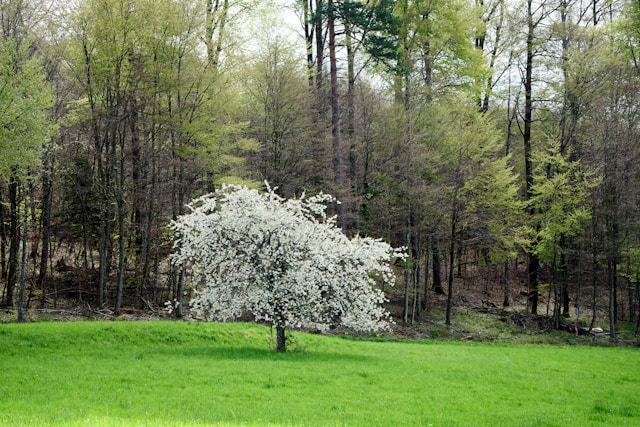
Flowering dogwoods, the ones native to New Jersey, usually put on their show in early to mid-spring. This is often before their leaves fully emerge, which really makes those white or pinkish bracts pop. They’re one of the earlier trees to bloom, offering a nice splash of color when not much else is happening.
Then you have the Kousa dogwoods, which are a bit different. These guys tend to bloom later, usually about a month after their leaves have come out. This means they often flower in late spring or even early summer. This timing is pretty unique, as many other ornamental trees have already finished their bloom cycle by then.
Here’s a quick look at how some common spring bloomers compare:
- Flowering Dogwood (Cornus florida): Blooms April-May. Often blooms before leaves fully emerge. Known for its white or pinkish bracts.
- Kousa Dogwood (Cornus kousa): Blooms late May-June. Blooms after leaves emerge. Also has bracts, often white.
- Magnolias: Many varieties bloom very early spring, sometimes as early as March, often before leaves appear. Their large, showy flowers are quite distinct.
- Cherry Blossoms (Prunus spp.): Typically bloom in April, depending on the variety. Famous for their mass of pink or white flowers.
- Redbuds (Cercis canadensis): Usually bloom in mid-spring, around April to May, with small, vibrant pink or purple flowers appearing directly on the branches and trunk.
What’s neat about dogwoods, especially the newer Rutgers hybrids like Scarlet Fire®, is their breeding for disease resistance and unique colors. While native dogwoods are lovely, they can be prone to issues like anthracnose. The Kousa types and their hybrids are generally tougher. Plus, the Rutgers program has given us some really striking pinks and reds that stand out. It’s a good reminder that even familiar trees can be improved upon, offering more beauty and resilience to our yards.
Frequently Asked Questions
When do dogwood trees typically bloom in New Jersey?
Most native dogwood trees in New Jersey start showing their beautiful blooms in early to mid-spring, usually around April and May. This is often before their leaves fully emerge, creating a lovely display of color.
Are there dogwood varieties that bloom later in the season?
Yes! Scientists have developed special dogwood types, like the Scarlet Fire®, Stellar Nova™, and Eternal Scarlet™, that are bred to bloom later in May. This means you can enjoy dogwood flowers even closer to Memorial Day weekend, extending the spring blooming season.
What’s the difference between a native dogwood and a newer variety?
Native dogwoods, like the Flowering Dogwood (Cornus florida), are beautiful but can be quite sensitive to diseases. Newer varieties, often hybrids developed at places like Rutgers, are specifically bred to be tougher, resisting common problems and sometimes offering unique colors like vibrant pinks and reds.
Why are dogwood blooms so noticeable?
Those showy white or pink parts aren’t actually flowers! They’re special leaves called ‘bracts’ that surround the tiny, true flowers in the middle. These bracts are designed to catch the sunlight and attract insects, making the whole display really stand out.
How long do the dogwood blooms last?
The length of time dogwood blooms last can vary. While some might fade after a couple of weeks, newer varieties like the Eternal Scarlet™ are bred to keep their beautiful blooms for up to six weeks, offering a longer show of color.
Do these newer dogwood trees have any special benefits?
Absolutely! Beyond their stunning and often longer-lasting blooms, these newer dogwoods are much more resistant to diseases that can harm older types. They also add vibrant colors to the landscape at a time when many other trees have finished blooming.
Request a Quote
Our Services
Latest Blog Posts