Difference Between Birch and Aspen Trees

Birch vs Aspen – Why People Compare Them
It’s pretty common to see birch and aspen trees grouped together, and honestly, they do look alike at first glance. Both are known for their lighter-colored bark and often grow in similar environments, especially in cooler climates. People often wonder about the differences because they might be choosing between them for their yard or just curious about the trees they see on a hike.
Think about it: you’re out in nature, maybe on a trail in the Black Hills, and you see these trees with smooth, pale bark. It’s easy to mix them up. They both have this sort of ethereal beauty, and their leaves can turn a lovely golden color in the fall. Plus, they both have a role in the ecosystem, providing habitat and contributing to the soil.
Here’s a quick rundown of why they get compared so often:
- Visual Similarity: Both have distinctive bark that stands out, often white or light-colored, which is a big draw for many.
- Habitat Overlap: They frequently grow in similar regions and soil types, meaning you’ll often find them growing near each other.
- Ecological Role: Both species are important for local wildlife and contribute to forest health in different ways.
- Aesthetic Appeal: Their unique bark and fall color make them popular choices for landscaping and natural beauty.
Understanding the subtle differences can help you appreciate each tree for what it is, whether you’re admiring them in a park or considering planting one yourself. For instance, knowing how to grow paper birch trees from seed can be a rewarding project if you’re patient. Growing paper birch is a process that requires attention to detail but offers a unique connection to nature.
Quick Comparison: Birch vs Aspen
So, you’re trying to figure out if a birch or an aspen is the right tree for your yard? It’s easy to see why people mix them up. They both have that classic smooth, light-colored bark and tend to grow pretty tall. But dig a little deeper, and you’ll find some key differences that might make one a better fit for you than the other.
Let’s break it down:
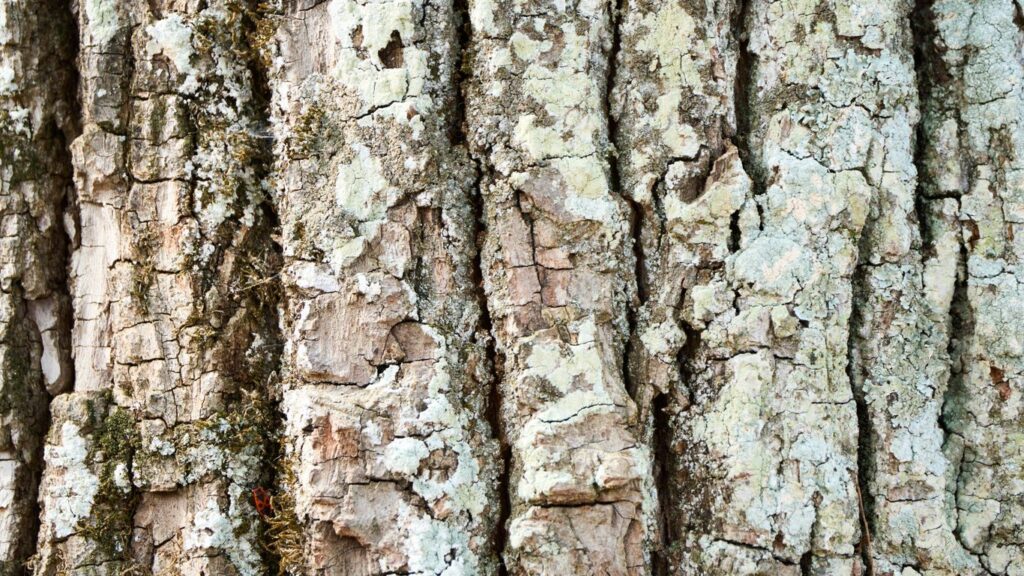
- Bark: While both have smooth, light bark, birch bark often peels off in papery layers. Aspen bark, on the other hand, tends to stay put and might have a slightly greenish tint with noticeable black scars or knots that can look like eyes. It’s a subtle difference, but it’s there.
- Leaves: The leaves are a giveaway. Aspen leaves are more heart-shaped and have a unique way of fluttering or ‘trembling’ in the slightest breeze, thanks to their flattened stems. Birch leaves are usually more oval with pointed tips and don’t have that same dramatic quiver.
- Growth Habit: Aspens are known for spreading via root suckers, creating groves of trees that are essentially clones of each other. Birches are more likely to grow as individual trees from seeds, though they can also sprout.
- Water Needs: Generally speaking, birch trees like it a bit wetter, often found near water sources. Aspens are a bit more adaptable and can handle drier slopes or rockier spots. Knowing your soil conditions is pretty important here.
Here’s a quick table to sum it up:
| Feature | Birch Tree | Aspen Tree |
| Bark | Peels in papery layers, often chalky white | Smooth, lighter with greenish tint, black scars |
| Leaf Shape | Oval with pointed tips | Heart-shaped, ‘trembles’ in wind |
| Spreading | Primarily from seed, can sprout | Spreads via root suckers (clones) |
| Preferred Site | Prefers moist soil | Tolerates drier, rocky areas |
| Lifespan | Around 80 years | Around 80 years |
Both trees have their own charm and ecological roles. Aspens are great at holding onto nutrients in the soil, and their quick decomposition helps cycle things back into the ecosystem. Birches also contribute by storing nutrients in their leaves and wood, helping keep the soil productive. So, whether you’re looking for a tree that spreads into a colony or a more distinct specimen, there’s a good reason to consider either birch or aspen for your landscape.
Key Differences Between Birch and Aspen Trees
When you’re trying to figure out the difference between aspen and birch trees, it’s easy to get them mixed up. They look pretty similar from a distance, both often sporting that classic white bark. But if you look a little closer, some pretty clear distinctions set them apart. It’s not just about looks, either; their growth habits and even how their leaves behave are different.
Bark Appearance
This is usually the first place people look for a difference between aspen and birch. Both have smooth, light-colored bark when they’re young, often a chalky white. However, birch bark, especially paper birch, is famous for its papery texture that peels off in thin, horizontal strips. It often has dark horizontal lines, but usually lacks the prominent black ‘eyes’ or knots you’ll find on aspen. Aspen bark, while also white or grayish-white, tends to have a greenish tint and is marked with irregular, dark horizontal scars and sometimes those distinctive black knots. Think of birch bark as a delicate, peeling layer, and aspen bark as a smoother, more solid surface with more noticeable scarring.
Leaf Shape & Movement
The leaves are another good way to tell them apart. Aspen leaves are typically more rounded or heart-shaped with finely toothed edges. They’re famous for their ‘trembling’ or ‘quaking’ motion, even in the slightest breeze, thanks to their flattened leaf stems. Birch leaves, on the other hand, are usually more oval or triangular, with a more pointed tip and a doubly serrated edge. They don’t have that same dramatic fluttering movement as aspen leaves. In the fall, both turn lovely shades of yellow, but the shape and movement are key identifiers.
Growth Pattern
Birch trees often grow as single specimens or in small clumps, spreading by seed. They tend to have a more upright, sometimes columnar growth habit. Aspen trees, however, are famous for their ability to spread aggressively via root suckers. This means a stand of aspen you see might actually be a single genetic individual, connected underground. This difference in how they reproduce leads to very different landscape appearances – birch often stands alone or in neat groups, while aspen can form dense thickets.
Mature Size
While both can get quite large, there’s a general difference in their ultimate size. Many birch species, like the paper birch, typically reach heights of 50 to 70 feet, with a spread of about 20 to 30 feet. Aspen, particularly the quaking aspen, can also reach similar heights, often 40 to 70 feet, but they can sometimes grow taller and wider, especially when they form large colonies. It’s not a huge difference, but birch often has a more refined, less sprawling mature form compared to the potentially vast colonies of aspen.
Difference Between Birch and Aspen in Landscaping
If you’re thinking about landscaping your yard or a bigger property, birch and aspen trees can be tempting choices. They each have things they do well, but it’s the little details that might make you lean one way or the other.
Let’s break down how each tree does in different landscaping situations:
| Feature | Birch | Aspen |
| Best Use | Accent or specimen tree | Mass planting, naturalistic |
| Growth Form | Upright, elegant shape | Colony forming, spreads by roots |
| Fall Color | Bright yellow, sometimes gold | Golden yellow |
| Tolerance | Prefers moist, cool soils | Adapts to most soils, drier too |
| Bark Interest | Papery peeling white | Smooth white with greenish tint |
| Wildlife Attraction | Moderate | High (deer, birds, insects) |
Here’s what else to weigh up:
- Birch looks best standing alone or in small clusters. Its papery white bark really stands out in the winter, and in places with snow, it can look honestly stunning. The upright shape works well if you want a feature tree or something near a patio.
- Aspens tend to form groves because the roots spread underground. They can quickly fill in bigger areas with several trunks popping up — great for a more natural, wild look. If you’ve ever walked through aspen stands in the fall, you know how the shimmering golden leaves almost sparkle.
- Soil and drainage matter. Birch trees can get stressed in hot, dry spots but thrive near water features or in wetter yards. Aspens really don’t care as much what you do — they’ll grow in poorer soil and handle some drought.
- Maintenance is another thing: birch can struggle in the heat and needs pruning of dead branches. Aspens often sucker (send up new shoots), so you might spend time pulling up unwanted stems unless you want a whole grove.
- Shade: Both can give a pretty decent amount, but if you want thick, broad shade fast, something like Norway maples might also suit you.
Bottom line? Choose birch if you want something showy, clean, and a little more controlled — think classic landscape design. Go with aspen if you want groupings, a wild feel, and you’re okay with a bit less order. Both add a lot of charm, but the ideal tree depends on your style and how much time you’re ready to spend taking care of them.
Maintenance & Care Comparison
When it comes to keeping birch and aspen trees looking their best, they’re pretty similar in their needs, which is good news if you’re trying to decide between them for your yard. Both are generally low-maintenance once they get established, but there are a few things to keep in mind.
For starters, both trees appreciate well-drained soil. They don’t like having their roots sit in soggy ground, so if you have heavy clay, you might want to amend it or choose a planting spot that drains better. Watering is pretty standard – give them a good soak when they’re young and during dry spells, but once they’re mature, they’re usually pretty drought-tolerant.
One area where they differ slightly is in their susceptibility to certain pests and diseases. Birch trees, especially some varieties, can be prone to bronze birch borers. You’ll want to keep an eye out for signs of infestation, like wilting leaves or small holes in the bark. Aspen trees are generally a bit tougher, but they can sometimes get issues like leaf spot or cankers. Regular inspection is key for both.
Pruning is usually minimal. You’ll mostly want to trim off any dead, damaged, or crossing branches. The best time to do this is typically in late winter or early spring, before new growth really kicks in. You don’t want to do heavy pruning in the summer when the trees are actively growing, as this can stress them out.
Here’s a quick rundown:
- Watering: Consistent moisture when young, then moderate watering for established trees, especially during droughts.
- Soil: Prefers well-drained soil; avoid waterlogged areas.
- Pest/Disease Watch: Keep an eye out for borers (birch) and leaf spots/cankers (both).
- Pruning: Remove dead or damaged branches, ideally in late winter/early spring.
- Fertilizing: Generally not needed unless the tree shows signs of nutrient deficiency, like yellowing leaves.
Which Tree Grows Faster?
When you’re trying to decide between a birch and an aspen for your yard, one of the first things people usually wonder about is how fast they’ll grow. It’s a pretty common question, and honestly, both of these trees are known for being pretty speedy growers, especially when they’re young.
Generally speaking, Trembling Aspen often gets the edge when it comes to sheer growth rate. They’re built for rapid expansion, putting on height and width fairly quickly. This makes them a great choice if you’re looking for some shade or a bit of screening in a relatively short amount of time. They’re hardy and don’t fuss too much about where they’re planted, which also helps them get established and grow without much delay.
Birch trees, particularly the White or Paper Birch, are also considered fast growers, but they might not always match the aspen’s pace, especially in their initial years. However, they still grow at a good clip and are definitely not slowpokes. They’re attractive trees that add a lot of visual interest with their peeling bark, so even if they take a little longer to reach their full stature compared to an aspen, they’re still a solid option for adding a mature look to your landscape sooner rather than later.
So, if speed is your absolute top priority, the Trembling Aspen usually wins the race. But honestly, both trees offer a pretty impressive growth rate that most people would be happy with. It’s not a huge difference, but if you’re really counting the inches, Aspen tends to be the faster one.
Which Tree Lasts Longer?
When you’re trying to decide between a birch and an aspen for your yard, thinking about how long they’ll stick around is a pretty big deal. Nobody wants to plant a tree only to have it start looking sad after a decade. So, let’s talk lifespan.
Generally speaking, birch trees tend to have a bit of an edge when it comes to longevity. Most birch species, like the paper birch, can live for around 80 years. Some might even push a bit beyond that under ideal conditions. They’re pretty sturdy trees, and while they aren’t immortal, they offer a good, solid chunk of time as a landscape feature.
Aspens, on the other hand, are often a bit more short-lived. While they can also reach impressive heights, their typical lifespan is often cited as being a bit shorter than birches, sometimes in the range of 40-70 years. This isn’t to say they won’t live longer, but on average, they might not be the best choice if you’re looking for a tree that will be around for multiple generations. It’s kind of like comparing a reliable sedan to a zippy sports car – both get you there, but one might have a longer service life.
It’s also worth noting that both trees can be affected by various factors. Pests, diseases, harsh weather, and even the soil conditions can all play a role in how long any tree survives. For instance, sweet birch, also known as black birch, has a history of traditional uses, but its lifespan can still be impacted by its environment [13c7].
So, if longevity is your main concern, birch trees generally have the upper hand. They offer a more predictable and often longer presence in your landscape compared to aspens.
Which Is Better: Birch or Aspen?
So, you’re trying to figure out which tree is the better pick for your yard, birch or aspen? Honestly, there’s no single ‘better’ tree; it really boils down to what you’re looking for and what your space can offer. Both have their own charm and quirks.
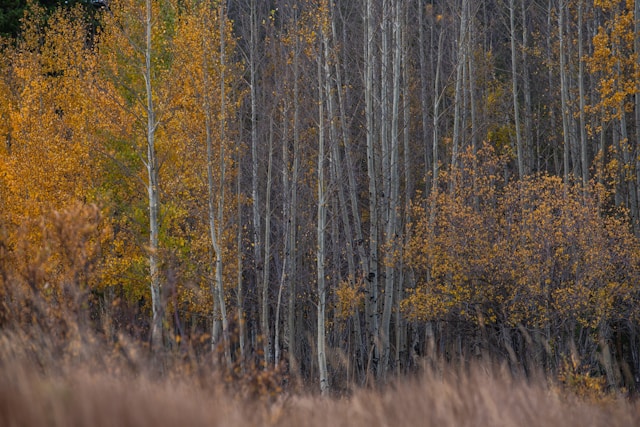
If you’re after that classic, peeling white bark, birch might be your go-to. Think of the paper birch with its papery layers that just beg to be touched. It’s a real showstopper, especially in winter. On the other hand, aspen has that smooth, often greenish-white bark that develops those cool black scars as it ages. It’s a bit more subtle, but still really attractive. Aspen leaves are also famous for their ‘trembling’ or ‘quaking’ effect, thanks to their flat stems, which can be quite mesmerizing on a breezy day. Birch leaves are more oval-shaped.
When it comes to growth, both are generally fast growers, which is great if you want some shade or visual impact quickly. However, they have different lifespans. Birch trees typically live around 80 years, while aspens can sometimes live a bit longer, though they often spread through root systems, creating groves. This means a stand of aspens might look like individual trees, but they could all be connected underground.
Here’s a quick rundown to help you decide:
- For striking bark: Birch often wins with its papery, peeling texture.
- For movement and sound: Aspen’s trembling leaves are unique and create a lovely rustling sound.
- For wildlife: Both attract wildlife, but aspens are noted for providing food and habitat for various animals.
- For soil health: Both trees are pretty good at holding onto nutrients in the soil, which is a nice bonus for your local ecosystem. Aspen, in particular, is efficient at retaining things like calcium and zinc.
Think about your soil type and how much sun you get. While both are pretty hardy, understanding their specific needs, like how Black Hills Spruce prefer well-drained soil, can help you make the best choice for long-term success. Ultimately, the ‘better’ tree is the one that fits your landscape and your vision best.
Frequently Asked Questions
How can I tell the difference between a birch and an aspen tree?
Birch trees have bark that peels off in thin, papery strips and is usually white without dark knots. Aspen bark is smoother, has a greenish tint, and often shows black scars and knots that look like eyes. Birch leaves are oval and pointed, while aspen leaves are heart-shaped and flutter in the wind.
Which tree grows faster, birch or aspen?
Both birch and aspen trees grow quickly, but aspen trees usually grow a bit faster. They can shoot up several feet in just a few years, especially when young. Birches also grow fast, but not quite as quickly as aspens.
Which tree lives longer, birch or aspen?
Birch trees usually live up to about 80 years if they are healthy. Aspen trees can live around 50 to 60 years, although their root systems can survive much longer and send up new shoots.
Are birch or aspen trees better for wildlife?
Aspen trees are very important for wildlife. They give homes and food to many birds and animals, like deer and elk. Birch trees also help wildlife, but aspens support more different kinds of creatures.
Which tree is easier to take care of in a yard?
Aspen trees are pretty easy to care for because they don’t need much attention and can grow in many places. Birch trees need a bit more care, like regular watering and protection from hot sun, because they can get sick more easily.
Can I use birch or aspen wood for building or crafts?
Yes! Birch wood is strong, flexible, and waterproof, so it’s great for making things like furniture, canoes, and trim. Aspen wood is softer and is often used for making paper, boxes, and sometimes crafts.
Request a Quote
Our Services
Latest Blog Posts