How Much Does a Yard of Mulch Weigh
Why Knowing Mulch Weight Is Important
Alright, let’s dig into why the weight of mulch actually matters, and not just for folks running landscaping companies—if you ever have to move mulch around your yard, this is for you. Honestly, when I first started gardening, I just cared about whether the mulch looked good and stopped weeds. But after a couple back-breaking trips to the yard waste site, I found out: weight makes a difference in more ways than you’d think.
- Safe transporting and hauling: If you’re loading mulch into your pickup or SUV, knowing how much it weighs helps you avoid overloading your vehicle. No one wants to risk damage (or get stuck halfway up their driveway because the car bottoms out).
- Accurate ordering: When you know the weight per cubic yard or foot, you can order the right amount without getting stuck with too much or too little. Overestimating ends up wasting money, and who wants to shovel leftovers?
- Ease of application: Lighter mulches are a breeze to spread, while super dense or wet mulch can be exhausting to haul around. Planning ahead saves a sore back and wasted afternoons.
- Yard and soil impact: Heavy mulch can compact soil and suffocate roots, while something lighter—like pine straw—lets air get in and doesn’t compress your flower beds as much. If you pick the right weight for your needs, mulch works better for weed control and moisture retention.
It also helps with budgeting. Knowing the total load weight lets you decide if you’re better off getting bulk delivery or picking up individual bags. Some community recycling centers or hardware stores even have weight restrictions, so there’s less guessing (and fewer awkward moments at checkout).
Bottom line: Understand the weight, and you’ll save money, make your work easier, and keep those plants looking great. Whether it’s enhancing curb appeal or making sure your soil stays healthy, mulch really pulls its weight in your yard.
How Much Does a Yard of Mulch Weigh?
So, you’re wondering about the weight of a cubic yard of mulch. It’s not a simple number because it really depends on what the mulch is made of and how much water it’s holding. Think of it like a sponge – when it’s dry, it’s light, but when it’s soaked, it gets heavy fast.
Generally speaking, a cubic yard of mulch can tip the scales anywhere from about 400 to 800 pounds. Some sources might even say it’s between 600 and 1000 pounds. It’s a pretty wide range, right? This is why it’s tough to give one exact figure. For instance, denser materials like hardwood tend to be heavier than lighter options such as pine bark. And if the mulch has been sitting out in the rain, it’s going to weigh significantly more than a dry batch.
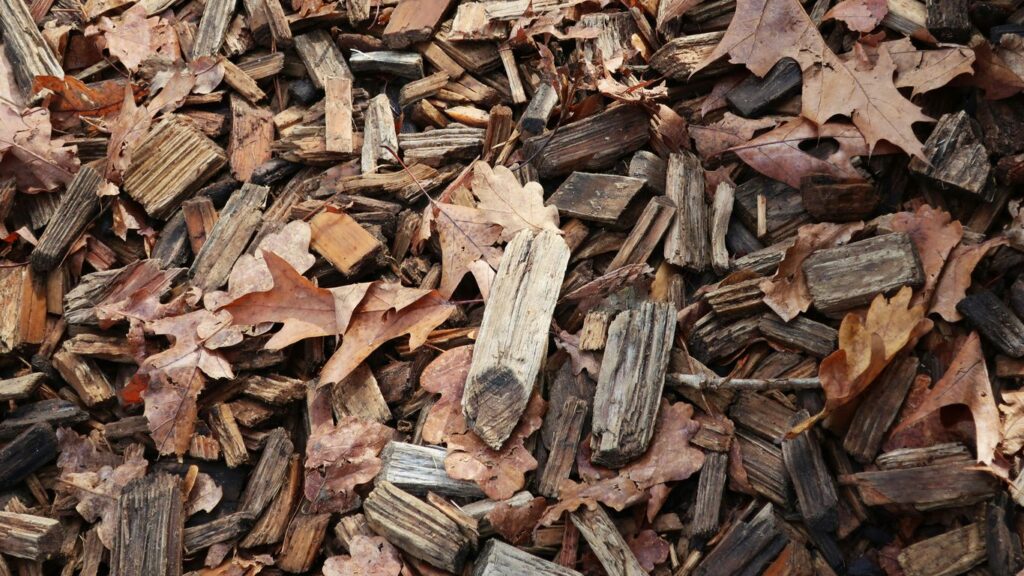
Here’s a quick look at how different types can stack up:
- Hardwood Mulch: Often on the heavier side, especially when wet.
- Pine Bark Mulch: Usually lighter than hardwood.
- Cedar Mulch: Can vary, but often falls in the middle range.
- Composted Mulch: Its weight can change a lot based on moisture content.
When you’re ordering mulch, especially in bulk, knowing this can be helpful. It gives you a better idea of what to expect when it arrives and how much you can realistically handle. If you’re planning to pick it up yourself, you’ll definitely want to consider the weight. A standard pickup truck can usually handle about 2 to 2.5 cubic yards, but that’s pushing it if the mulch is really wet and heavy. Always check with your supplier about their weight limits and what they recommend for your vehicle. Getting the right amount is key, and understanding the weight helps avoid surprises. You can find more details on mulch weight variations.
Mulch Weight Per Yard by Type
So, you’re wondering about the mulch weight per yard, and how different kinds stack up? It’s a good question because not all mulch is created equal when it comes to heft. A cubic yard of mulch is a cubic yard, sure, but what’s inside can really change how much it weighs.
Think about it: a yard of fluffy pine straw is going to be way lighter than a yard of dense, chunky hardwood bark. Moisture plays a big role too, but the type of material itself is the main driver.
Here’s a general idea of what you might be dealing with:
- Wood Chips/Bark Mulch: This is probably what most people picture when they think of mulch. Depending on the type of wood and how finely it’s processed, a cubic yard can land anywhere from about 500 to 1000 pounds. Finer shredded mulches tend to pack down more and can be heavier than larger chunks.
- Pine Straw: Lighter and fluffier, pine straw usually comes in at the lower end of the scale, often around 300 to 500 pounds per cubic yard. It doesn’t compact as much as wood products.
- Composted Organic Matter: If you’re using compost as mulch, get ready for some serious weight. Compost is denser and can easily weigh between 1000 and 1600 pounds per cubic yard, sometimes even more if it’s really wet.
- Shredded Bark: This can vary a lot. Finer shredded bark will be heavier than larger bark nuggets. Expect a range, maybe 600 to 900 pounds per cubic yard.
It’s important to remember these are just estimates. The moisture content at the time of purchase or delivery can significantly alter the actual weight. A dry yard will always be lighter than a wet one, no matter the type.
How Much Does Mulch Weigh Per Cubic Foot?
If you’re trying to figure out how heavy mulch is by the cubic foot, you’re not alone—this is something a lot of folks forget to consider until they’ve got to move it. The answer depends a lot on the type of mulch and whether it’s wet or dry, but let’s break it down into numbers you can actually use.
Most mulch is sold either by the cubic yard or in bags that mention cubic feet. So, knowing the weight per cubic foot helps you estimate what you’ll be hauling around—even before you head to the store or call for a delivery.
Here’s a simple table that’ll give you an idea of what you’re dealing with:
| Mulch Condition | Average Weight per Cubic Foot |
| Dry Mulch | 20 – 30 lbs |
| Wet Mulch | 35 – 50 lbs |
Keep in mind, these numbers aren’t set in stone. Your mulch might weigh a little more or less depending on how fresh or damp it is. If you’re looking for precise numbers, you might want to check out average mulch weights for different types and conditions.
When thinking about mulch weight per cubic foot, remember a few things:
- Moisture changes everything: Freshly watered mulch is much heavier than what you find out of the bag.
- Wood vs. bark: Bark mulch tends to weigh a little less than shredded hardwood or compost mixes.
- Big projects multiply weight fast: A full yard is 27 cubic feet, so if you’re off by even a few pounds per foot, it really adds up by the truckload.
Measuring your mulch in pounds per cubic foot helps when you’re planning your day—especially if you need to know what your car or wheelbarrow can realistically carry at once. Always better to be prepared than caught off guard with more weight than you expected.
Factors That Affect Mulch Weight
So, you’re trying to figure out how much that yard of mulch actually weighs, right? It’s not as simple as just picking a number out of a hat. A bunch of things can change how heavy it is, even if you’re looking at the same amount, like a cubic yard.
Here are the main things that play a role:
- Moisture Content: This is a big one. Think about a sponge – dry it’s light, but soak it with water, and it gets heavy fast. Mulch is the same way. If it’s been sitting out in the rain or is freshly made and still wet, it’s going to weigh more than dry, aged mulch. The amount of water it holds can really change the weight.
- Type of Mulch: Not all mulches are created equal, weight-wise. For example, pine straw is super light because it’s mostly air and needles. On the other hand, something like hardwood bark or a denser wood chip mulch will pack more weight into the same space. The size and density of the material itself makes a difference.
- Particle Size: How finely ground is the mulch? Double-ground mulch has larger pieces than triple-ground mulch. Smaller pieces tend to pack together more tightly, which can sometimes mean more weight per cubic foot, especially if there’s less air trapped between them. It’s all about how densely the material can settle.
Basically, when you’re thinking about weight, remember that mulch isn’t a uniform block. It’s made of natural stuff that can hold water and comes in different forms, all of which can shift the numbers.
How Many Bags Equal 1 Cubic Yard of Mulch?
So, you’ve figured out you need about 1 cubic yard of mulch for your garden beds. That’s great! But then you see all those bags at the store and start to wonder, how many of those do I actually need? It can get confusing pretty fast.

Most bagged mulch comes in sizes like 2 cubic feet or 3 cubic feet. Keep in mind that 1 cubic yard is a much bigger volume – it’s actually 27 cubic feet. So, if you’re buying the common 2-cubic-foot bags, you’ll need about 13.5 of them to equal one cubic yard. That’s a lot of bags to haul!
If you opt for the slightly larger 3-cubic-foot bags, you’ll need around 9 bags to get the same amount. It’s always a good idea to check the bag size before you buy, though, because sometimes you’ll see other sizes too.
Here’s a quick rundown:
- 2 cubic foot bags: Approximately 13.5 bags per cubic yard.
- 3 cubic foot bags: Approximately 9 bags per cubic yard.
It’s often easier to buy mulch in bulk if you need a full cubic yard or more, especially if you have a truck. You can use a mulch calculator to get a better idea of how many bags you’ll need based on your specific area and desired depth. Buying too many bags means extra trips and more money spent, while buying too few means a trip back to the store. Getting it right the first time saves you hassle.
Can Your Pickup Truck Handle a Yard of Mulch?
So, you’ve figured out how much mulch you need, and you’re thinking about hauling it yourself in your pickup truck. That’s a great way to save a few bucks, but you gotta be realistic about what your truck can actually handle. A standard-sized pickup truck, like a full-size 3/4 or 1-ton model, can usually manage about 2 to 3 cubic yards of mulch, maybe a little more if it’s not piled too high. Smaller trucks? They’re more in the 1 to 2 cubic yard range.
But here’s the kicker: weight. Mulch can get surprisingly heavy, especially when it’s damp. A cubic yard of mulch can weigh anywhere from 400 to 800 pounds, sometimes even more. So, even if you can fit 3 yards in your truck bed, can your truck’s suspension and frame actually support that much weight? It’s always a good idea to check your truck’s payload capacity. You don’t want to be halfway home and have your truck sagging like it’s had a rough night.
Here’s a quick rundown to keep in mind:
- Standard Pickup (3/4 or 1-ton): Generally handles 2-3 cubic yards.
- Smaller Trucks: Typically carry 1-2 cubic yards.
- Weight is Key: Remember that damp mulch is heavier. A cubic yard can weigh 400-800+ lbs.
- Check Your Payload: Always know your truck’s weight limit.
If you’re unsure, it’s better to err on the side of caution. Maybe make two trips, or consider getting a delivery. Most places that sell mulch in bulk also offer delivery services, which can save you a lot of hassle and potential truck trouble. Plus, if you’re dealing with something like cedar mulch, which is pretty durable, you might be hauling a good amount of weight. For really big projects, sometimes professional delivery is the way to go, especially if you’re looking at multiple yards. You can always check out resources on mulch weight per yard to get a better idea before you load up.
How to Estimate Mulch Weight for Your Project
Figuring out how much mulch you actually need can feel like a puzzle, right? You don’t want to end up with way too much, or worse, not enough to get the job done. The good news is, it’s not rocket science. You just need a few measurements and a little bit of math.
First off, you’ll need to measure the area you plan to cover. Grab a tape measure and figure out the length and width of your garden beds or any other spots you’re mulching. Multiply those two numbers together to get your total square footage. Easy enough.
Next, decide on the depth you want your mulch layer to be. Most folks go for about 2 to 3 inches. A thicker layer helps with weed suppression and moisture retention, but too thick and you might smother your plants. A good rule of thumb is that one cubic yard of mulch will cover about 162 square feet at a 2-inch depth. If you’re thinking 3 inches deep, that same cubic yard will cover roughly 108 square feet. Keep in mind that to convert cubic yards of mulch to cubic feet, you multiply the number of cubic yards by 27.
Here’s a quick rundown to help you visualize:
- **1 Cubic Yard Covers (approximate):
- 162 sq ft at 2 inches deep
- 108 sq ft at 3 inches deep
- 81 sq ft at 4 inches deep
So, let’s say you have a garden bed that’s 10 feet by 20 feet. That’s 200 square feet. If you want a 3-inch layer, you’d divide 200 by 108, which comes out to about 1.85 cubic yards. You’d probably want to round up to 2 cubic yards to be safe.
Don’t forget that the type of mulch can affect its weight. Denser mulches like bark chips will weigh more than lighter ones like pine straw. This is especially important if you’re planning to haul it yourself in a truck. Knowing the weight helps you avoid overloading your vehicle. For a general idea, most mulch weighs between 600 to 1000 pounds per cubic yard. If you’re curious about the cost, check out our blog on mulch prices.
Frequently Asked Questions
What exactly is a cubic yard of mulch?
A cubic yard of mulch is a measurement of volume. Think of it as a cube that’s 3 feet long, 3 feet wide, and 3 feet tall. This equals 27 cubic feet in total.
How much does a yard of mulch typically weigh?
The weight of a cubic yard of mulch can change quite a bit, but it usually falls somewhere between 600 and 1000 pounds. This is because mulch can hold moisture, making it heavier.
Does the type of mulch affect its weight?
Yes, it does! Different types of mulch have different densities. For example, pine bark mulch is often heavier than something lighter like pine straw. So, while a yard is always the same volume, its weight can vary.
How many bags of mulch make up a cubic yard?
This depends on the size of the bags. If you’re using the common 2-cubic-foot bags, you’ll need about 13.5 bags to equal one cubic yard. If you find 3-cubic-foot bags, you’ll need around 9 of them.
How much area can one cubic yard of mulch cover?
If you spread mulch about 2 inches thick, one cubic yard can cover roughly 162 square feet. If you spread it a bit thinner, say 3 inches thick, it will cover about 108 square feet.
Can my pickup truck carry a whole yard of mulch?
A standard-sized pickup truck can usually carry between 2 to 3 cubic yards of mulch. However, it’s important to consider the weight, especially if you’re hauling compost or soil, which are much heavier.
Request a Quote
Our Services
Latest Blog Posts