
Cutting Roots of a Tree: Tools, Techniques, and Professional Tips
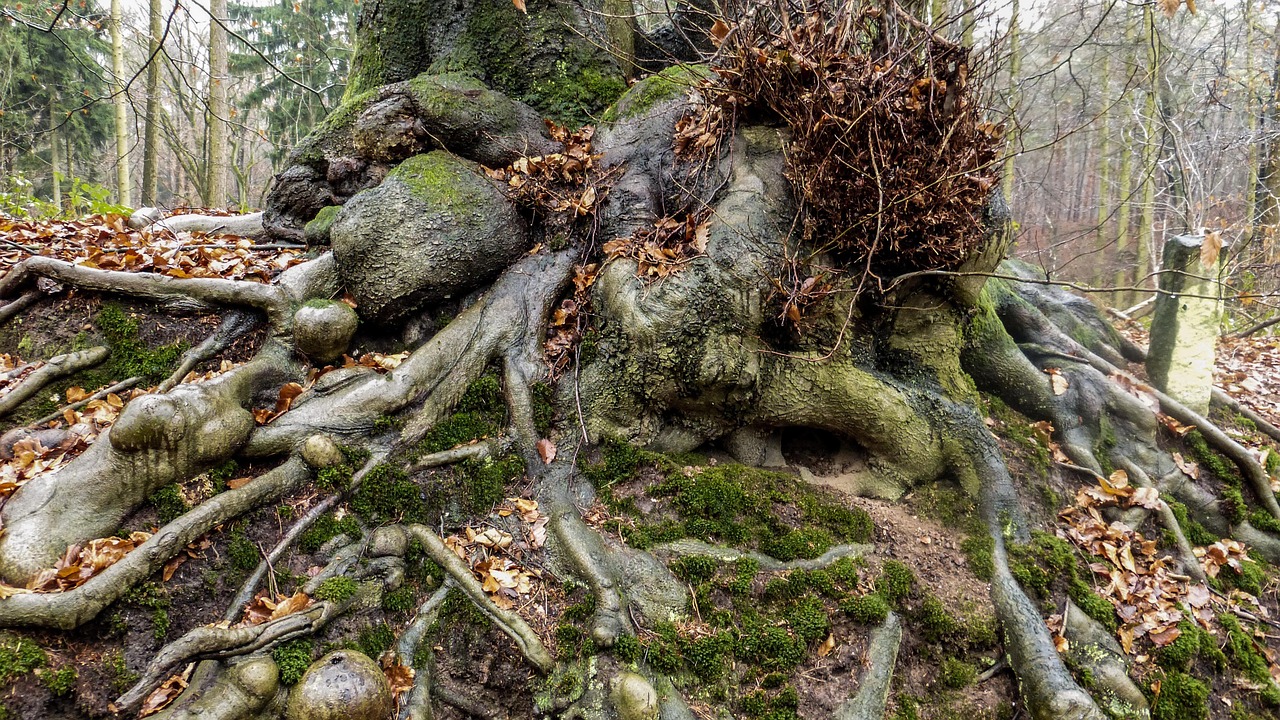
When you need to deal with tree roots, whether they’re pushing up a sidewalk or interfering with pipes, it’s important to know how to handle them. Cutting the roots of a tree isn’t always straightforward. Understanding the right tools, techniques, and when to call for help makes a big difference. This guide is meant to walk you through the process, keeping both your landscape and the tree’s health in mind.
Key Takeaways
- Understand that tree roots are vital for stability and nutrient absorption; cutting them improperly can harm or kill the tree.
- When cutting roots, focus on smaller ones (under 2 inches in diameter) and avoid removing more than 25% of the total root system at once.
- Make clean cuts using sharp tools like pruning saws or reciprocating saws to prevent disease and pest entry.
- After cutting, properly backfill the area, water the tree, and apply mulch to support its recovery.
- For large roots or if you’re unsure, it’s best to consult a professional arborist to ensure the tree’s long-term health and your safety.
Why Cutting Tree Roots Safely Matters

When you’re dealing with tree roots that are causing problems, like cracking a sidewalk or getting too close to pipes, the first thought might be to just cut them. It seems straightforward enough, right? But I’ve learned that it’s not quite that simple. Messing with a tree’s root system can have serious consequences if you don’t know what you’re doing.
Tree roots are basically the tree’s lifeline. They anchor the tree, keeping it upright, and they’re responsible for soaking up all the water and nutrients the tree needs to survive and grow. Think of them like the plumbing and foundation all in one. If you damage too many or the wrong ones, you can stress the tree out. This can make it weak, more prone to disease, or even cause it to become unstable.
Here’s a quick rundown of why caution is so important:
- Tree Health: Cutting too many roots, especially the larger ones, can starve the tree of water and nutrients. It can also weaken its anchor, making it more likely to fall.
- Structural Integrity: A tree’s roots provide stability. Removing a significant portion can make the tree wobbly, especially in windy conditions.
- Disease and Pests: Open wounds from improper cuts can be entry points for fungi, bacteria, and insects, which can further harm or kill the tree.
- Property Damage: While the goal might be to stop root damage, cutting roots incorrectly can lead to the tree itself becoming a hazard.
It’s also worth noting that there aren’t many specific regulations about cutting roots on private property, but there are definitely best practices that arborists follow. For instance, you generally want to avoid cutting roots larger than two inches in diameter, and it’s advised to stay at least three times the trunk’s diameter away from the tree when making cuts. It’s a delicate balance, and sometimes, getting advice from a professional is the best way to go about it. If you’re unsure about the extent of the root system or the tree’s overall health, it’s always better to consult with a professional arborist before you start cutting. They can help assess the situation and guide you on the safest approach for your specific tree and situation, ensuring you don’t accidentally harm the tree or create new problems.
Making the wrong cut can turn a minor inconvenience into a major problem for both your tree and your property. Understanding the tree’s needs and the potential impact of root cutting is the first step toward a safe and effective solution.
When you’re looking at roots that are causing issues, it’s easy to just want them gone. But remember, these are living parts of a tree that support its entire existence. Making informed decisions about how and when to cut them is key to maintaining a healthy landscape and avoiding unintended consequences. If you’re dealing with roots that are causing significant damage, it might be time to look into professional vegetation management services that understand these complexities.
Essential Tools for Cutting Tree Roots
When I first looked into how to cut the roots of a tree, I realized it’s not just about hacking away. You need the right gear. Picking the correct tools makes a big difference in how clean the cut is and how much stress you put on the tree.
For smaller, surface-level roots, a good old-fashioned pruning saw or a Japanese pull saw works well. These give you a lot of control for making precise cuts without tearing. If you’re dealing with slightly thicker roots, a pruning saw with a coarser blade can handle it.
When things get a bit more serious, and you’re facing roots that are a few inches in diameter, that’s where a reciprocating saw, often called a “Sawzall,” shines. You can get blades specifically designed for wood, and it makes cutting through tougher roots much faster. Just be sure to wear safety glasses; those flying wood chips can be nasty.
For thick, stubborn roots that might be interfering with foundations or pipes, a chainsaw might seem like the go-to. However, I’ve learned that using a chainsaw for root cutting is often overkill and can be quite damaging if not handled with extreme care. It’s usually better to reserve that for very specific, large-scale situations, and even then, I’d be thinking about calling a pro.
Here’s a quick rundown of what I keep in my toolkit:
- Pruning Saw: Great for small to medium roots, offers control.
- Reciprocating Saw: Good for roots up to 3-4 inches thick, faster than a hand saw.
- Bow Saw: Can be useful for roots that are a bit awkward to reach.
- Shovel/Spade: Not for cutting, but necessary for exposing the roots you need to cut.
It’s important to remember that the goal is a clean cut. Jagged, torn roots are more susceptible to disease and take longer to heal. This is why using sharp tools is so important, regardless of the type you choose.
When I’m assessing which tool to use, I always consider the root’s size and its location. Trying to force the wrong tool will just make the job harder and potentially harm the tree more than necessary.
Preparing the Ground

Before I can even think about cutting any roots, I need to get a good look at what I’m dealing with. This means carefully exposing the root system. My first step is usually to clear away any loose debris, like mulch, leaves, or small rocks, from around the base of the tree. I’ll use a shovel or a trowel for this, just gently scraping away the top layer.
If the soil is caked on, or if I need a clearer view of the roots, I’ll bring out the garden hose. A gentle spray of water can wash away the dirt without causing damage. For tougher soil, a pressure washer on a low setting might be an option, but I have to be careful not to blast away too much soil or damage the root itself. The goal here is to see the roots clearly without causing them harm.
Here’s a breakdown of how I approach exposing the roots:
- Initial Clearing: Use a shovel or trowel to remove surface debris like leaves, mulch, and small stones.
- Gentle Soil Removal: Carefully dig around the visible roots, exposing more of the root system. I try to dig away from the trunk to avoid damaging the main root flare.
- Water Washing (if needed): Use a garden hose with a spray nozzle to wash away clinging soil. For stubborn dirt, a pressure washer on a low setting can be used cautiously.
- Inspect and Assess: Once the roots are visible, I take time to look at their size, direction, and how they might be causing problems.
It’s important to remember that roots are living parts of the tree. My approach needs to be as non-invasive as possible to minimize stress and potential damage. I’m not just digging; I’m trying to understand the root structure before I make any cuts.
Cutting Techniques by Root Size and Depth
When I need to cut tree roots, I always try to be as precise as possible. It’s not just about getting rid of the problem root; it’s about doing it in a way that doesn’t hurt the tree. The size and location of the root dictate how I approach it.
For smaller, surface-level roots that are causing issues, like tripping hazards on a walkway, I usually grab a good pruning saw. The key here is to make a clean cut. A jagged cut can invite pests or diseases, and I’ve learned that the hard way. After cutting, I’ll backfill the area with some soil and compost to help things heal. It’s a simple step, but it makes a difference.
When dealing with larger roots, especially those that might be interfering with pipes or foundations, I have to be more careful. These roots are often thicker, sometimes more than two inches in diameter, and they play a bigger role in the tree’s stability and nutrient uptake. My rule of thumb is to avoid cutting any root larger than that, if possible. If I absolutely must cut a larger root, I try to do it as far away from the trunk as I can. For mature trees, I aim for at least five times the trunk’s diameter, and for younger trees, about three times the trunk’s diameter. This distance helps minimize the shock to the tree. It’s also important to try and balance the cuts around the tree, rather than just hacking away on one side. This helps keep the tree stable.
Here’s a quick rundown of what I consider:
- Root Diameter: Generally, I avoid cutting roots over 2 inches wide. If a root is larger, I seriously consider whether it’s worth the risk to the tree’s health.
- Distance from Trunk: The further from the trunk, the better. This is where I measure to figure out my safe cutting zone.
- Root Function: I try to identify if a root is a primary anchor root or a feeder root. Cutting too many feeder roots can starve the tree, while damaging anchor roots can make it unstable.
Making clean, well-placed cuts is more important than the tool you use. A bad cut can cause more harm than good, no matter how sharp your saw is.
If I’m unsure about a root’s importance or its size, I’ll often consult with an arborist. They have a better sense of how much root mass a tree can lose without suffering. Sometimes, it’s better to get professional advice before cutting, especially if the root is close to the trunk or quite large. For big jobs or when dealing with utility lines, I know it’s time to call in the pros who have the right equipment and knowledge to handle root pruning safely.
Post-Cut Care

After you’ve finished cutting the roots, the work isn’t quite done. Proper aftercare is important for the tree’s survival and to help it bounce back. Think of it like tending to a wound; you need to help it heal.
First off, you’ll want to backfill the area where you dug. Use good-quality topsoil to fill in any holes or depressions left behind. It’s a good idea to gently compact this soil, maybe with a tamper, to prevent it from sinking too much later on. This also helps avoid water pooling, which isn’t great for the tree.
Next, consider applying a layer of mulch around the base of the tree, but keep it a few inches away from the trunk itself. Mulch helps keep the soil moist, regulates temperature, and stops weeds from popping up. It’s like a cozy blanket for the soil.
Watering is also key. Give the tree a good, deep watering right after you’re done with the cutting and backfilling. This helps settle the soil and reduces stress on the tree. You might need to keep up with watering, especially if it’s dry out, for a few weeks or even months, depending on the tree and the weather.
Here’s a quick rundown of what to do:
- Backfill the excavated area with topsoil.
- Lightly compact the new soil.
- Apply a layer of mulch around the tree base, avoiding direct contact with the trunk.
- Water the tree deeply.
- Continue regular watering as needed.
Monitoring the tree’s recovery is probably the most important step. Keep an eye out for any signs of stress, like wilting leaves, yellowing, or unusual leaf drop. If you notice anything concerning, it might be time to consult with a professional arborist. They can assess the tree’s condition and offer advice. Sometimes, a tree might take a while to show signs of recovery, so patience is also a virtue here. You want to make sure the tree is getting enough water, but not too much, which can be a tricky balance. Proper tree care involves paying attention to these details.
It’s easy to think that once the cutting is done, the problem is solved. But trees are living things, and they need care, especially after an injury like root cutting. Giving them the right support afterward makes a big difference in whether they thrive or struggle.
Alternative Methods

Sometimes, cutting roots directly isn’t the best approach, or maybe I’m just looking for a less labor-intensive way to manage them. I’ve found a few alternative methods that can be effective, though they each come with their own set of considerations.
One option I’ve explored is using herbicides. This usually involves making fresh cuts on the stump or exposed roots and then applying a concentrated glyphosate solution. The idea is that the chemical gets absorbed and travels down to the roots, killing them off. It’s not instant, often taking a couple of weeks to see the full effect. It’s important to be careful with the application, though, to avoid harming nearby plants or the soil itself.
Another method I’ve heard about, and sometimes consider for specific situations, is using salt. Rock salt or Epsom salt can be used. The salt draws moisture out of the roots and stump, essentially dehydrating them. This is a slower process, often requiring repeat applications over several months. I’ve learned that table salt isn’t concentrated enough for this; you need something like rock salt. While it can be effective, I’m always cautious because salt can affect the surrounding soil and potentially leach into groundwater, which is why I try to use it sparingly and only where necessary. Pouring salt into the ground can kill tree roots, but it also eliminates all surrounding vegetation and can contaminate groundwater. This method is not recommended due to its widespread negative environmental impact. It’s a tricky balance.
Boiling water is sometimes mentioned, usually for smaller, more manageable roots, like those found in plumbing. The intense heat can kill root tissue. However, this is typically a very localized and temporary fix, and I wouldn’t rely on it for larger root systems or extensive problems.
Then there are root barriers. These are physical or chemical obstructions installed in the ground to guide root growth away from certain areas, like foundations or sidewalks. They can be made of materials like heavy plastic, metal, or even concrete. Installing them involves digging a trench and placing the barrier material. This is often a more preventative measure, best done when planting or when you first notice roots encroaching. It’s a way to manage growth without necessarily killing the roots outright, just redirecting them. I’ve found that a linear barrier works well when I need to protect a specific structure, like a patio.
Here’s a quick rundown of what I consider when choosing an alternative:
- Herbicidal Treatment: Effective for killing roots, but requires careful application to avoid collateral damage.
- Salt Application: Can dehydrate roots, but poses risks to soil health and water quality.
- Root Barriers: A good way to redirect growth and prevent future problems, often installed proactively.
When using chemicals or salt, I always make sure to read the product labels carefully and follow all safety instructions. My goal is to solve the root problem without creating new ones for the environment or my landscape.
When to Hire a Professional Arborist or Use Heavy Machinery
When I first started looking into cutting tree roots, I thought it would be a straightforward job. You know, grab a saw, dig a bit, and you’re done. But the more I read, the more I realized that this isn’t always the case. For some situations, it’s best to just call in the pros or bring out the heavy equipment.
If you’re dealing with large roots that are causing serious structural issues, like cracking a foundation or blocking a main sewer line, it’s time to consider professional help. These aren’t small problems, and trying to tackle them yourself could lead to more damage or even injury. Professionals have the right tools and the know-how to handle these big jobs safely and effectively.
Here are a few signs that it’s time to step back and call an expert:
- Root Size and Location: If the roots you need to cut are thicker than your wrist or are growing very close to important underground utilities (like gas or water lines), it’s a job for someone with specialized training. They know how to avoid damaging these critical systems.
- Tree Health Concerns: If the tree looks unhealthy, has signs of disease, or is very old, cutting its roots could stress it too much. An arborist can assess the tree’s overall condition and advise whether root cutting is even a good idea.
- Extensive Root Systems: Sometimes, a tree has a widespread root system that’s tangled with other plants or structures. Trying to untangle and cut these yourself can be overwhelming and potentially harmful to the tree and your property.
- Need for Heavy Machinery: If you need to dig deep or remove large sections of roots, you might need equipment like a mini-excavator or a stump grinder. Operating this kind of machinery requires skill and can be dangerous if you’re not trained.
When in doubt, it’s always better to err on the side of caution. A professional arborist can provide a proper assessment of the situation, explain the risks involved, and perform the work safely. They can also help you understand the long-term implications for your tree and landscape, which is something I definitely didn’t consider at first.
Think about it this way: while a small pruning saw might handle a few surface roots, a large, established tree with roots impacting your home’s foundation is a different ballgame entirely. Professionals have certifications and experience that give them an edge in these complex scenarios. They can also help manage the process if you need to coordinate with utility companies or structural engineers, which is a whole other layer of complexity I’m glad to avoid if possible.
Pro Long-Term Tree Health and Landscape Safety
After all this talk about cutting tree roots, I’ve come to realize it’s a job that requires a careful hand. It’s not just about hacking away; it’s about understanding the tree’s needs and how your actions affect its long-term health. Making clean, strategic cuts is paramount to preventing disease and ensuring the tree can recover properly.
When you’re dealing with root issues, especially near foundations or utility lines, it’s easy to get overwhelmed. I’ve learned that assessing the situation thoroughly is the first step. This often means gently exposing the roots to see which ones are causing problems and which are vital for the tree’s stability. If you’re unsure about the extent of the problem or the best way to proceed, consulting with a professional arborist is always a wise choice. They have the knowledge to identify problematic roots and the right tools for the job, like specialized root saws, which can be quite effective for larger roots. Remember, even after cutting, proper aftercare, like watering and mulching, is key to helping the tree bounce back.
Here are a few key takeaways I’ve gathered:
- Assess the root system: Before any cutting, clear the soil to understand which roots are problematic and which are essential for the tree’s health.
- Balance your cuts: Avoid removing roots from only one side of the tree, as this can destabilize it. Distribute the work evenly around the root system.
- Make clean cuts: Use sharp tools to make clean incisions, which helps prevent the introduction of pests or diseases.
- Prioritize aftercare: Water the tree well after root cutting and apply mulch to help retain moisture and support recovery.
It’s tempting to tackle every yard task yourself, but some jobs, like significant root cutting, are best left to those with specific training. The potential for damaging the tree or causing instability is high if not done correctly. Investing in professional tree care ensures the job is done right the first time, protecting both your landscape and your property.
For those larger, more complex root removal tasks, or if you’re dealing with roots that are impacting infrastructure, it’s often best to bring in the experts. They have the heavy machinery and the know-how to handle these situations safely and effectively. Maintaining your trees is an investment in your property’s value and safety, and sometimes that means knowing when to call for help. You can find more information on proper tree maintenance and the tools involved in tree care.
Keeping your trees healthy and your yard safe for a long time is super important. Think of it like taking care of a pet; regular check-ups make a big difference! For the best care and advice, check out our website to learn more about how we can help your trees thrive.
Frequently Asked Questions
Why is it important to be careful when cutting tree roots?
Tree roots are like the tree’s lifeline. They provide water, food, and keep the tree standing tall. If I cut too many or too close to the trunk, I could hurt the tree, making it weak or even causing it to fall over. It’s important to understand how roots work to avoid causing harm.
What are the best tools I should use for cutting tree roots?
For smaller roots, I find that a sturdy pruning saw or even strong garden shears work well. If I encounter larger roots that are causing problems, like with a sidewalk, I might need something more powerful, like a reciprocating saw or even a small digging tool. It depends on the size of the root I’m dealing with.
How do I prepare the area around the tree roots before cutting?
Before I make any cuts, I need to see what I’m working with. I gently clear away the soil around the roots, sometimes using a hose with water to wash it off. This helps me figure out which roots are causing trouble and which ones the tree needs to stay healthy.
What’s the best way to cut roots without damaging the tree?
I always try to make clean cuts, almost like pruning a branch. It’s also important not to cut roots from just one side of the tree, as this can make it unstable. I aim to spread the cutting out evenly around the tree. I also avoid cutting roots that are thicker than my fist or too close to the trunk – usually, I try to stay at least three times the trunk’s width away from the tree.
What should I do after I’ve cut some tree roots?
After cutting, I make sure to cover the cut area with soil. Giving the tree a good, deep watering is also crucial to help it recover. Adding some mulch around the base can help keep the soil moist. Then, I keep an eye on the tree to see how it’s doing.
When should I consider calling a professional for tree root issues?
If the roots are very large, tangled, or causing significant damage to structures like pipes or driveways, I know it’s best to call in an expert. Also, if I’m unsure about the tree’s health or the best way to proceed, an arborist has the knowledge and tools to handle it safely and effectively, protecting both the tree and my property.
Request a Quote
Our Services
Latest Blog Posts


