
How Fast Do Mulberry Trees Grow & Where Do They Grow?
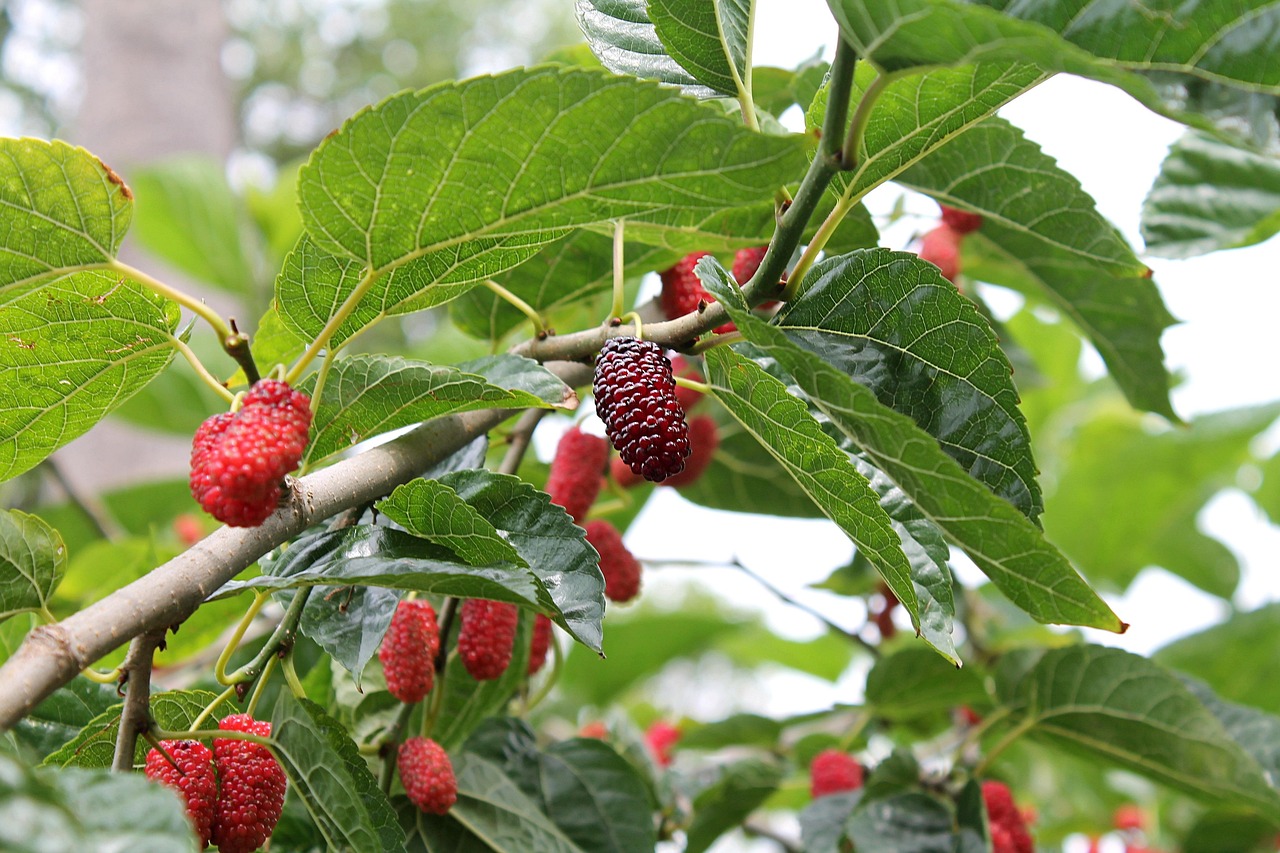
Mulberry trees are pretty amazing, right? They grow fast and give you tons of fruit. But how fast do mulberry trees grow, and where do mulberry trees grow best? We’re going to talk about all that, plus some other cool stuff like how to plant them and keep them healthy. If you’ve ever thought about growing your mulberries, this is for you.
Key Takeaways
- Mulberry trees are known for their fast growth, often adding several feet in height each year, especially when they’re young.
- They can start producing fruit within just a few years, sometimes as early as their second or third year after planting.
- Mulberries are pretty adaptable when it comes to climate, doing well in many places, from warm temperate zones to even some subtropical areas.
- They aren’t too picky about soil, as long as it drains well, and they like a sunny spot.
- To keep them healthy and fruiting, make sure to water them when they’re young and prune them as needed.
Mulberry Tree Growth Rate
So, how fast do mulberry trees grow? Well, it’s a bit of a mixed bag, but generally, they’re known for being pretty quick growers. Some can shoot up several feet per year, especially when they’re young and happy.
Here’s a little breakdown:
- Early Years: In the first couple of years, you might see a mulberry tree grow 4-5 feet annually. That’s pretty impressive!
- Maturity: As they mature, the growth rate slows down a bit, but they’re still adding size and getting bushier.
- Species Variation: Different types of mulberries grow at slightly different rates. Some cultivars are bred for faster growth, especially if they’re intended for biomass production or fodder.
Keep in mind that factors like soil quality, sunlight, and water availability play a big role. A mulberry tree in ideal conditions will grow faster than one struggling in poor soil or shade.
And to give you a more concrete idea, consider this:
- A young tree can put on about 2.5 feet in height in its first year, with the trunk thickening significantly.
- Coppice shoots from an older tree can grow a meter (a little over 3 feet) in a year.
- Some trees start fruiting in their second or third year, while those grown from seed might take 5-6 years to produce fruit.
So, if you’re wondering, “Do mulberry trees grow fast?” the answer is usually yes! And if you’re curious about “how fast do mulberry trees grow per year?” aim for a few feet, especially when they’re young. Just remember that “where do mulberry trees grow” also impacts their growth rate, as climate and environment are key factors.
Species Comparison
Okay, so you’re thinking about planting a mulberry tree, but which one? There are a few main types you’ll run into, and they each have their quirks. Let’s break it down.
Red Mulberry (Morus rubra)
This is the native mulberry of the eastern United States. It’s known for its delicious, dark red to almost black fruit. The red mulberry is a favorite for wildlife and people alike. It tends to be a bit more particular about its growing conditions compared to other mulberries, preferring moist, well-drained soil. It’s also becoming less common due to hybridization with the white mulberry.
White Mulberry (Morus alba)
Originally from Asia, the white mulberry was brought to North America to support silk production. It’s now naturalized and can be found in many areas. The fruit is usually white or light pink, though it can sometimes be darker. Honestly, the flavor isn’t as intense as the red mulberry. This species is pretty adaptable and can handle a wider range of soil conditions. Unfortunately, it’s considered invasive in some regions and can outcompete the native red mulberry. You can find native red mulberry in mature bottomland forests.
Black Mulberry (Morus nigra)
The black mulberry is another species that produces dark, flavorful fruit. It’s not as common in the United States as the red and white mulberries, but it’s grown in some areas, particularly in California and the Southwest. Black mulberries are known for their rich, tangy fruit, which is often used in jams and desserts. They tend to be a bit smaller than other mulberry trees and may be more sensitive to cold temperatures.
Choosing the right mulberry depends on your location, your soil, and what you want to use the fruit for. If you’re looking for a native option with great flavor, the red mulberry is a good choice, if you can find a true one. If you need something adaptable and don’t mind a less intense flavor, the white mulberry might work. And if you’re in a warmer climate and want a special fruit, consider the black mulberry.
Here’s a quick comparison table:
| Species | Fruit Color | Flavor | Native/Introduced | Hardiness |
| Red Mulberry | Red/Black | Sweet, Rich | Native | Zones 5-9 |
| White Mulberry | White/Pink | Mild, Sweetish | Introduced | Zones 4-8 |
| Black Mulberry | Dark Purple | Tangy, Rich | Introduced | Zones 7-10 |
Consider these points when making your decision:
- Fruit Quality: If you’re growing mulberries primarily for the fruit, consider the flavor and texture of each species.
- Adaptability: Think about your local climate and soil conditions. Some species are more tolerant of certain conditions than others.
- Invasive Potential: Be aware of the potential for white mulberries to become invasive in your area. Check with your local extension office for recommendations.
Seasonal Growth Patterns
Mulberry trees don’t just grow at a steady pace all year round. Their growth is heavily influenced by the seasons, with periods of rapid development followed by dormancy. Understanding these patterns can help you provide the best care for your tree.
Spring Awakening
Spring is when mulberry trees really kick into gear. As temperatures rise, the tree breaks dormancy and begins to produce new leaves and shoots. This is also the time when flowering occurs, setting the stage for fruit production later in the season. Keep an eye out for the first signs of growth, as this indicates the tree is actively using nutrients and water.
Summer Surge
Summer is the peak growing season for mulberry trees. With ample sunlight and warmth, the tree focuses on vegetative growth and fruit development. You’ll notice rapid increases in branch length and leaf size. The berries will also start to swell and ripen, transitioning from green to red or dark purple, depending on the variety. Harvesting usually begins in early summer and can continue for several weeks.
Autumn Preparation
As autumn approaches, the growth rate of mulberry trees slows down. The tree begins to prepare for winter dormancy by redirecting energy to root development and storing carbohydrates. Leaves may change color before falling off, signaling the end of the growing season. This is a good time to reduce watering and fertilization to allow the tree to harden off before the first frost. Consider mulberry coppice to encourage new growth.
Winter Dormancy
During winter, mulberry trees enter a state of dormancy. All visible growth ceases, and the tree conserves energy to survive the cold temperatures. While the tree appears inactive, important physiological processes are still occurring beneath the bark. Avoid pruning during this time, as it can stress the tree and make it more susceptible to damage from freezing temperatures.
Understanding the seasonal growth patterns of mulberry trees is key to providing appropriate care throughout the year. By adjusting watering, fertilization, and pruning practices to match the tree’s natural cycle, you can promote healthy growth and abundant fruit production.
Maturity Timeline
Mulberry trees follow a pretty steady schedule from the day you plant them to when they’re churning out fruit. Unlike fast-growing privacy screens that keep foliage all winter, mulberries drop their leaves in fall but make up for it with a heavy summer harvest.
| Age | What to Expect |
| Year 1 | Roots set in, a few shoots pop up |
| Years 2–3 | Strong branch framework takes shape |
| Years 4–6 | First flowers open, light fruit appears |
| Years 7–10 | Regular fruiting, increasing yields |
| 10+ Years | Peak production, big harvests |
Seed-grown trees usually take 5–7 years to bear noticeable fruit. Grafted or budded trees often surprise you with berries by year 2 or 3.
- Early pruning (years 1–3) helps build a sturdy limb structure and avoids a tangled mess later on.
- A simple spring feed—think balanced fertilizer—goes a long way to boost bloom size and fruit weight.
By year ten, a well-cared-for mulberry can deliver hundreds of pounds of berries each season.
Remember: young mulberries demand patience. It’s normal to see just a handful of berries in year five and then watch them fill buckets by year eight. Let the roots spread and the trunk thicken before expecting the full bounty.
USDA Hardiness Zones
Mulberry trees are pretty adaptable when it comes to climate, and that’s reflected in their USDA hardiness zone ratings. Generally, you’ll find that most mulberry varieties thrive in zones 4 through 8 or 9. This means they can handle some pretty cold winters down to -30°F, but also do well in warmer, almost subtropical climates.
It’s always a good idea to check the specific hardiness for the particular mulberry you’re interested in, just to be sure it’s a good fit for your area. Some varieties are more cold-hardy than others. For example, the White Mulberry (Morusalba) is known to be one of the most cold-tolerant.
Knowing your USDA hardiness zone is the first step in ensuring your mulberry tree will thrive. It’s not just about surviving the winter; it also gives you an idea of the overall climate suitability for the tree’s long-term health and fruit production.
Here’s a quick breakdown:
- Zones 4-5: Expect good cold hardiness; some fruit production may be affected by late frosts.
- Zones 6-7: Ideal conditions for most mulberry varieties; expect reliable fruit production.
- Zones 8-9: Warmer climates where mulberries can thrive, but be mindful of potential heat stress in some cultivars.
Native & Naturalized Range
Okay, so where do these mulberry trees actually come from? And where have they decided to set up shop outside their original homes?
Mulberry trees have a pretty wide distribution across the globe, but it varies a lot depending on the specific species.
Let’s break it down a bit:
- Red Mulberry (Morus rubra): This one’s a North American native. You’ll find it all over the eastern part of the continent, from Canada down to Florida, and stretching as far west as Texas and the Dakotas. It’s a proper American tree.
- White Mulberry (Morus alba): Originally from Asia, specifically China. However, it’s been introduced to and naturalized in many other places, including North America, Europe, and Australia. It’s pretty adaptable, that’s for sure. You can find more information about red mulberry trees online.
- Black Mulberry (Morus nigra): This one hails from Western Asia, particularly the region around Iran. It’s also been cultivated for centuries in Europe, so it feels pretty at home there now.
It’s worth noting that the white mulberry, in particular, has sometimes become a bit of a problem in North America. Because it’s so adaptable, it can sometimes outcompete the native red mulberry, which isn’t great for local ecosystems.
So, if you’re thinking about planting a mulberry, it’s always a good idea to check which species are native to your area and which ones might be considered invasive. Just a little something to keep in mind.
Climate Preferences

Mulberry trees are pretty adaptable, but they definitely have their favorite conditions. Understanding what these trees prefer can really help you get the best growth and fruit production. It’s not rocket science, but a little knowledge goes a long way.
Mulberry trees generally thrive in warm climates with full sun.
- They can handle hot summers without much trouble.
- Some varieties are more cold-hardy than others, so it’s worth checking before you plant.
- Consistent temperatures are better than wild swings, but they’re tougher than they look.
I remember my grandpa always saying, “If a mulberry tree can’t grow there, nothing can.” He might have been exaggerating a bit, but the point is, these trees are pretty resilient. Just give them a decent spot, and they’ll usually do their thing.
Different types of mulberries have slightly different needs. For example, the white mulberry is super adaptable, while the red mulberry prefers a bit more moisture. Knowing which type you have can help you fine-tune its care. You can find a variety of mulberry cultivars that fit your specific climate.
Soil Requirements

Mulberry trees are pretty chill when it comes to soil. They aren’t super picky, which is great for those of us who don’t have perfect garden soil. Ideally, they like a warm, moist, and well-drained loamy soil, especially if it’s in a sunny spot. But honestly, they can handle coarse, medium, and even fine soils without throwing a fit. I’ve seen them growing in some pretty rough patches, so don’t stress too much about having the perfect soil mix.
They’re also not too fussy about pH levels. A range of 5.0 to 7.0 is just fine by them. So, unless your soil is seriously out of whack, you probably won’t need to do much adjusting. If you’re planting a new tree, mixing in some compost can help get it off to a good start. I usually just dig a generous hole, toss in some quality compost, and then plant the tree. Seems to work pretty well.
One thing to keep in mind is drainage. Mulberries don’t like sitting in soggy soil, so make sure the area you’re planting in doesn’t stay waterlogged after it rains. If you have heavy clay soil, you might want to amend it with some organic matter to improve drainage. Otherwise, you should be good to go!
Here’s a quick rundown:
- Preferred Soil: Loamy, well-drained
- Acceptable Soil: Coarse, medium, fine
- pH Range: 5.0 – 7.0
- Drainage: Well-drained is a must
Sun Exposure
Mulberry trees are sun-loving plants, and getting enough sunlight is super important for their growth and fruit production. I’ve noticed that when they get less sun, they just don’t thrive as well. Let’s get into the specifics.
Mulberry trees need at least 6 hours of direct sunlight each day to really flourish.
If you’re thinking about planting one, keep this in mind. It’s not just about finding a spot in your yard; it’s about finding a sunny spot. I made the mistake of planting one near a big oak tree once, and it took me way too long to realize why it wasn’t doing so hot.
Think of sunlight as the fuel for these trees. Without enough, they won’t grow as quickly, and you’ll probably get fewer mulberries. It’s that simple.
Here’s a quick rundown:
- Ideal: 6-8 hours of direct sunlight
- Acceptable: At least 4 hours of direct sunlight, with some partial shade during the hottest part of the day
- Not Recommended: Less than 4 hours of direct sunlight
Consider the following when choosing a location:
- Morning Sun: Morning sun is especially beneficial as it helps dry the leaves, reducing the risk of fungal diseases. I always try to make sure my trees get that early sunshine.
- Afternoon Shade (Maybe): In really hot climates, a little afternoon shade can actually be a good thing. It prevents the leaves from getting scorched. It’s a balancing act.
- Avoid Overcrowding: Make sure other plants aren’t blocking the sun. Mulberry trees need their space to soak up those rays. You can trim a palm tree to allow more sunlight.
Planting & Spacing Best Practices for Healthy Growth

Okay, so you’re ready to get your mulberry tree in the ground? Awesome! Here’s what I’ve learned about giving these trees the best start. It’s not rocket science, but a little planning goes a long way.
First off, think about where you’re putting it. Mulberry trees get BIG. Like, seriously big. You don’t want it too close to the house or any power lines. Give it some room to spread out. Also, they like the sun, so pick a spot that gets plenty of it.
When you’re planting, dig a hole that’s twice as wide as the root ball and just as deep. Loosen the soil around the sides of the hole, and when you put the tree in, make sure the top of the root ball is level with the ground. Backfill with the soil you dug out, and water it really well. You might want to insert a sturdy stake to help it get established, especially if you live in a windy area.
Spacing is key. If you’re planting more than one mulberry tree, give them at least 20-30 feet of space between each other. They need room to grow without competing for sunlight and nutrients. Trust me, they’ll fill it in eventually!
I remember when I planted my first mulberry tree. I didn’t think about how big it would get, and now it’s practically taking over my yard. It’s a beautiful tree, but I wish I had given it more space to start with. Learn from my mistakes!
Here’s a quick rundown:
- Location: Sunny spot with plenty of room.
- Hole Size: Twice as wide as the root ball, same depth.
- Spacing: 20-30 feet between trees.
- Watering: Water thoroughly after planting.
- Staking: Consider staking for support.
And don’t forget about the soil! Mulberries aren’t too picky, but they do like well-drained soil. If your soil is heavy clay, you might want to amend it with some compost or other organic matter to improve drainage. You can also grow garden compost in containers. Speaking of containers, if you’re planting in a pot, make sure it’s a big one! Like, really big. And use a good quality potting mix. You’ll also want to repot young mulberry trees into a slightly larger container each year as they grow. Do this before growth re-starts in spring, using fresh peat-free soil-based compost.
That’s pretty much it. With a little planning and effort, you can give your mulberry tree a great start and enjoy its delicious fruit for years to come. Good luck!
Watering & Fertilization
Mulberry trees, once they’re settled in, aren’t super demanding when it comes to watering and feeding. But, like any plant, they benefit from a little attention, especially when they’re young or if you’re aiming for a bumper crop of berries.
Watering
For newly planted mulberry trees, regular watering is key. Give them a good soak from spring through fall for the first few years. This helps them establish strong roots. Established trees are pretty drought-tolerant, thanks to their deep taproots, so you usually don’t need to water them unless you’re experiencing a dry spell or if the soil drains really quickly. If you’ve got a mulberry tree in a container, though, you’ll need to water it regularly, especially during the summer months when it can dry out fast.
Fertilization
Mulberry trees generally don’t need a ton of fertilizer. When you’re planting a new tree, mixing some compost into the planting hole is a great way to give it a good start. You can repeat this in early spring for the first couple of years. After that, they should be fine on their own, especially if they’re growing in a diverse planting area. If you want to give your tree a boost, especially to encourage more fruit, you can use fertilizer in early spring. A high-potassium fertilizer, like you’d use for tomatoes, works well. Just scatter a handful around the base of the tree, a little more if it’s growing in a lawn.
Think of watering and fertilizing as giving your mulberry tree a little nudge in the right direction. Too much can be as bad as too little, so it’s always best to err on the side of caution. Observe your tree, and adjust your care based on what you see. If the leaves are looking pale, they might need a little feeding. If the leaves are wilting even when the soil is moist, you might be overwatering.
Mulching
Mulching is a great way to help your mulberry tree retain moisture and keep weeds at bay. After feeding in the spring, spread a layer of organic matter, like well-rotted manure or garden compost, around the base of the tree. Just make sure you don’t pile it right up against the trunk. A good layer of mulch also helps regulate soil temperature, which can be beneficial in both hot and cold climates.
Here’s a quick guide:
- New Trees: Water regularly, especially during the first few years.
- Established Trees: Water during droughts only.
- Container Trees: Water regularly throughout the growing season.
- Fertilizing: Use a balanced fertilizer in late winter or a high-potassium fertilizer in early spring to boost fruiting.
Pruning & Training
Mulberry trees, for the most part, are pretty chill when it comes to pruning. Established trees usually don’t need a ton of fussing over and can be left to do their own thing, developing a naturally wide, sometimes crooked, shape as they get older. But if you’re aiming for something specific, or just want to keep things tidy, here’s the lowdown.
Generally, the best time to prune is when the tree is dormant – think after the leaves have fallen in autumn. Pruning after mid-winter can cause them to “bleed” sap, which isn’t ideal.
Here are a few common forms for mulberries:
- Bush: For a tree on a short trunk, cut back the main leader to about 70-90cm when it’s young. Let the side shoots grow into a framework of about eight to ten branches. After that, just remove any dead, damaged, or overcrowded branches. If you want to keep it neat, trim any branches that are growing in weird directions or sprouting from the trunk below the canopy.
- Standard/Half-Standard: Prune these like bush trees, but they have a taller trunk. Half-standards have a trunk of about 1.2–1.5m, and standards go for 1.8–2.1m.
- Espalier: You can train mulberries to grow flat against a sunny wall. Prune and train them like apple espaliers. When summer rolls around, prune more lightly than you would with apples. Shorten the new side-shoots to about three or four leaves to encourage fruiting spurs. Do this in late summer when growth slows down.
Common Uses & Growth Applications
Mulberry trees? They’re not just for show. Turns out, they’ve got a bunch of practical uses, and how you grow them can really depend on what you’re trying to get out of them. Let’s take a look.
Fruit Production
Okay, this one’s obvious. People grow mulberry trees for the fruit. It’s that simple. You can eat it fresh, make jams, pies, or even wine. Different varieties produce different amounts of fruit, and some are better suited for eating than others. If you’re aiming for a big harvest, you’ll want to pick a variety known for its fruit production and make sure it gets plenty of sun.
Silkworm Food
Did you know that mulberry leaves are the ONLY food silkworms eat? It’s true! In many parts of the world, especially Asia, mulberry trees are grown specifically for silk production. If you’re thinking about raising silkworms, you’ll need a good supply of leaves, which means planting a bunch of mulberry trees.
Animal Fodder
Mulberry leaves aren’t just for silkworms. Lots of animals enjoy them too! Things like goats, pigs, and rabbits can eat the leaves and branches. In areas where it’s hard to find fresh food for livestock, mulberry trees can be a lifesaver.
I’ve heard some people even feed mulberry leaves to their chickens, but honestly, mine aren’t fans. Maybe it depends on the breed, or maybe my chickens are just picky.
Wood Production
Mulberry wood is pretty strong, and the trees grow fast. This makes them useful for things like stakes, tree props, and even firewood. If you coppice or pollard the tree (basically, cut it back regularly), you can get a steady supply of wood. The wood has a calorific value of 4370–4770 kcal/kg.
Soil Improvement and Erosion Control
Mulberry trees can help improve the soil. The leaves that fall from the tree add nutrients back into the ground. Plus, the roots can help hold the soil in place, which is great for preventing erosion. They can even be grown on wastelands to help with reclamation.
Windbreaks and Alley Cropping
Because they grow fast and can handle wind, mulberry trees are good for creating windbreaks. They can also be used in alley cropping systems, where you plant rows of trees with crops in between. This can help protect the crops from the wind and improve the soil.
Basket Weaving
Those thin branches? They can be woven into baskets. It’s a nice way to use the tree’s resources and create something useful.
Want to know more about how this stuff is used and where it’s growing? We’ve got tons of easy-to-understand info on our website. Come check out all the cool ways people are using it and how it’s getting bigger every day!
Frequently Asked Questions
How fast do mulberry trees grow?
Mulberry trees are known for growing quickly. They can add several feet to their height in just one year, especially when they are young. This fast growth means you won’t have to wait long to see them become a good size.
Are mulberry trees easy to grow?
Yes, mulberry trees are pretty tough and can handle different kinds of weather. They do best in places with warm summers but can also grow in colder areas. Some types can even live in very hot, dry climates once they’re settled.
How much sun do mulberry trees need?
Mulberry trees like a spot where they can get a lot of sunshine, ideally at least 6 hours a day. They can still grow in places with some shade, but they might not produce as much fruit.
Where do mulberry trees originally come from?
You can find mulberry trees growing naturally in many parts of the world, including Asia, Africa, and North America. They’ve also been planted in many other countries because their fruit is so popular and they’re useful trees.
When do mulberry trees start producing fruit?
Mulberry trees can start giving fruit pretty early. If you plant a young tree, you might see your first berries in about 2 to 3 years. Trees grown from seeds take a bit longer, usually around 5 to 6 years.
What kind of soil is best for mulberry trees?
Mulberry trees prefer soil that drains well, meaning water doesn’t sit around their roots. They can grow in many soil types, from sandy to clay, and they don’t need super rich soil to do well.
Can I keep a mulberry tree small?
Yes, you can keep a mulberry tree smaller by pruning it regularly. This is especially helpful if you have a small yard or want to make harvesting the fruit easier. They handle trimming very well.
Are mulberry trees prone to pests or diseases?
Mulberry trees are generally pretty good at fighting off pests and diseases on their own. They’re known for being quite hardy, which means they don’t usually need a lot of special care to stay healthy.
Request a Quote
Our Services


