
What Are The Most Popular Cherry Blossom Trees?
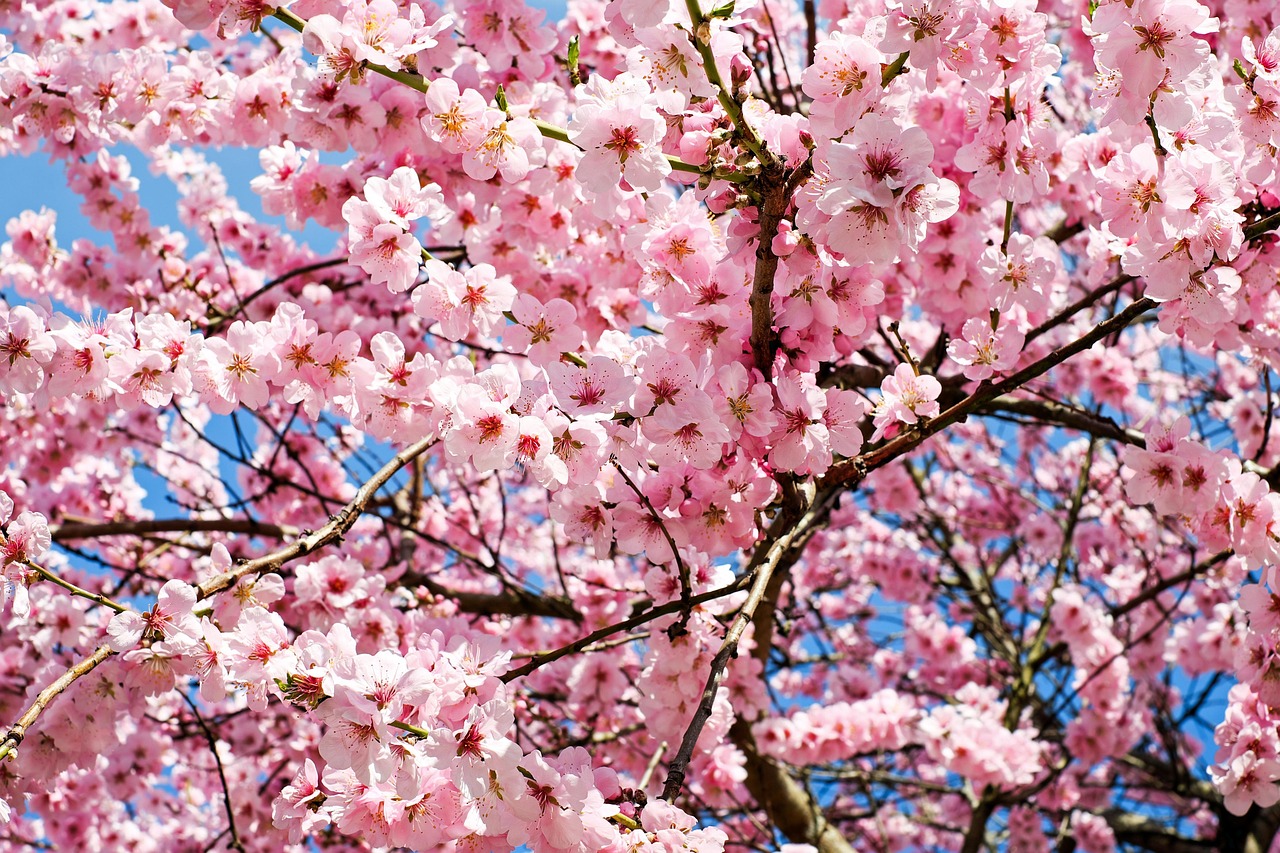
Spring is a beautiful time of year, and one of the biggest reasons is the cherry blossom trees. Their delicate flowers bring so much color and joy. If you’re wondering about the most popular cherry blossom trees, you’re not alone! Many people want to know which ones are the favorites for their stunning blooms and overall appeal. Let’s take a look at some of the top contenders that people love to see and grow.
Spring arrives with a flourish, and for many, that means the breathtaking sight of cherry blossoms. When people ask, “What are the most popular cherry blossom trees?”, they’re usually looking for those varieties that truly capture the essence of the season. These trees aren’t just pretty; they’re often steeped in cultural significance and bring a unique beauty to landscapes worldwide.
It’s easy to get lost in the sheer variety of cherry trees out there, but a few stand out year after year. These are the ones you’ll see featured in famous parks, gifted as symbols of friendship, and planted in gardens for their reliable, stunning displays.
Here’s a quick look at what makes certain cherry blossom trees so beloved:
- Visual Appeal: The color, shape, and abundance of the blossoms are key.
- Bloom Time: When they flower can be a major factor, especially for those wanting to catch the peak display.
- Form and Size: Whether a tree is weeping, upright, or spreading influences where it can be planted.
- Cultural Significance: Some varieties are famous due to historical events or traditions.
Understanding these elements helps explain why certain trees, like the Yoshino or Kwanzan, consistently top the lists when folks wonder, “What are the most popular cherry blossom trees?”
The fleeting nature of cherry blossoms is part of their charm. Their brief, spectacular show reminds us to appreciate the present moment and the beauty that surrounds us each spring.
Understanding Cherry Blossoms: A Brief Overview
So, what exactly are these cherry blossoms everyone talks about? Basically, they’re the flowers that come from trees in the Prunus genus, which is a big family that also includes plums and almonds. When we talk about popular ornamental cherry trees, we’re usually referring to varieties specifically grown for their stunning spring flowers, not for fruit.
These trees are famous for their beautiful blooms, which can range from delicate whites to vibrant pinks. Wide varieties have petals that are simple and elegant, while others boast showy double layers of petals. It’s pretty amazing how a single tree can transform into a cloud of color practically overnight.
Here’s a quick look at some common characteristics:
- Bloom Color: Typically white, pale pink, or deep pink.
- Petal Count: Can be single (usually 5 petals) or double (many more petals).
- Flowering Time: Varies greatly by type, from early spring to late spring.
- Tree Form: Can be upright, spreading, or weeping.
The fleeting nature of cherry blossoms is a big part of their charm. They put on a spectacular show for a short period, reminding us to appreciate the beauty of the moment. It’s this ephemeral quality that makes them so special and why people go to great lengths to see them.
While many ornamental cherries don’t produce edible fruit, some do have small, often bitter cherries. The main event, though, is definitely the flowers. They signal the end of winter and the start of warmer, brighter days, which is why they hold such a special place in many cultures, especially in Japan, where they are known as ‘sakura’.

Why People Ask “What Are the Most Popular Cherry Blossom Trees?”
It’s no surprise that so many people want to know which cherry blossom trees are the most popular. These trees are just stunning when they’re in bloom, right? They really signal that spring has finally arrived, and honestly, who doesn’t love a good excuse to get outside and enjoy some beautiful scenery?
People often ask this question because they’re looking to plant one themselves. Maybe they saw a particularly gorgeous tree somewhere and want to replicate that beauty in their own yard. Or perhaps they’re planning a trip to see the blossoms and want to know what to expect, like in places famous for their cherry trees. It’s about wanting to connect with nature’s spectacle.
Here are a few reasons why this question pops up so often:
- Aesthetic Appeal: Let’s face it, cherry blossoms are incredibly beautiful. Their delicate pink and white flowers create a breathtaking display.
- Symbolism and Tradition: In many cultures, especially Japan, cherry blossoms (sakura) hold deep cultural significance, representing renewal and the fleeting nature of life.
- Gardening Inspiration: Homeowners and garden designers are always on the lookout for trees that offer significant visual impact and multi-season interest.
- Travel Planning: Tourists often plan trips around peak cherry blossom seasons in famous locations, wanting to witness the most iconic displays.
Cherry blossom trees are more than just pretty flowers; they’re often tied to special memories, cultural events, and the simple joy of experiencing a seasonal transformation. It’s this combination of beauty and meaning that makes people curious about the stars of the show.
Plus, with so many different varieties out there, it can be a bit overwhelming to figure out which ones are the most common, the most reliable bloomers, or the ones that just look the best. Knowing the popular ones helps narrow down the choices and makes the decision process a lot easier.
The Iconic Yoshino Cherry: A Global Favorite
When you think of cherry blossoms, the Yoshino cherry (Prunus × yedoensis) is probably the first tree that pops into your head. It’s a real classic, and for good reason. This tree is responsible for those breathtaking, almost unbelievable displays you see in places like Washington D.C. and Japan’s Mount Yoshino. It’s a hybrid, thought to have originated in Japan, and it’s become a go-to for parks and landscapes worldwide.
The Yoshino is known for its profuse, single-petal blooms that start as a delicate pink and then quickly fade to a pure white. They have a lovely, subtle fragrance, and when they bloom, it’s usually all at once, creating a stunning visual impact. The contrast between the white flowers and the dark bark is really something special.
Here’s a quick rundown of what makes the Yoshino so popular:
- Bloom Appearance: Single, white flowers with a hint of pink when they first open.
- Blooming Time: Typically mid-spring, often coinciding with major spring festivals.
- Size: These trees can get quite large, usually reaching 30 to 40 feet tall and spreading just as wide, so they need a good amount of space.
- Hardiness: They do well in USDA Zones 5–8, preferring full sun and moist, well-drained soil.
It’s amazing how a single type of tree can become such a symbol of spring and renewal. The Yoshino cherry has definitely earned its spot as a global favorite, bringing joy to millions every year. If you’re looking for that quintessential cherry blossom experience, the Yoshino is a solid choice. You can find these beautiful trees in many public gardens and parks, especially in areas with a history of Japanese cultural influence.
The sheer volume of blooms on a mature Yoshino can be overwhelming in the best way possible. It’s a fleeting beauty, a reminder to appreciate the present moment before it drifts away on the breeze.

Kwanzan (Kanzan) Cherry: Bold and Deep-Pink Blooms
When you think of a classic, showy cherry blossom tree, the Kwanzan (often spelled Kanzan) probably comes to mind. This variety is a real standout, known for its abundant, large pink flowers that really make a statement. Each bloom is a double-layered wonder, packed with about 20 to 30 petals, giving it a full, almost ruffled appearance. It’s a favorite for a reason, offering a vibrant splash of color that’s hard to miss.
These trees are quite substantial, typically growing to about 25 to 30 feet tall and spreading just as wide. Because of their size and the way their branches can extend, it’s a good idea to give them plenty of space when planting. We’re talking at least 20 feet away from your house or other structures. My own mother planted one years ago, and now it practically hugs the second-story windows – beautiful from afar, but a bit overwhelming up close!
Here’s a quick look at what makes Kwanzan so popular:
- Flower Power: Expect masses of deep pink, double blossoms that are about 2.5 inches across.
- Showy Display: The blooms are profuse, creating a truly spectacular sight each spring.
- Fall Color: While the spring flowers are the main event, the foliage often puts on a nice show in the fall, turning shades of orange and bronze.
- Ornamental Value: It’s primarily grown for its ornamental beauty, making it a top choice for landscaping.
While they are stunning, it’s worth noting that Kwanzan cherries are sometimes considered shorter-lived than some other varieties, often lasting 15 to 25 years. However, many trees far exceed this, like the Kwanzan Japanese Flowering Cherry Tree my mother has, which is still going strong after decades. They do best in full sun to partial shade and prefer moist, well-drained soil, just like most flowering cherries.
For a tree that delivers a serious punch of color and a classic cherry blossom look, the Kwanzan is a hard one to beat. Just remember to plan for its mature size so you can enjoy its full glory without any close encounters with your home.
Okamé Cherry: Early Blooming and Garden-Friendly Choice
When you’re looking for cherry blossoms that put on a show a little earlier in the season, the Okamé cherry is a fantastic option. It’s a hybrid, meaning it’s a mix of two other cherry types, and it really brings together some great qualities. This tree is known for its vibrant pink flowers that tend to appear before other varieties, often gracing us with their presence in early spring.
What makes the Okamé so appealing for home gardens? Well, for starters, it’s not a giant tree. It usually stays at a manageable size, making it a good fit for smaller yards or spaces where you don’t want something that will take over. Plus, it’s pretty tough and can handle a range of conditions, which is always a plus for us gardeners who aren’t always blessed with perfect soil or weather.
Here’s a quick look at what you can expect:
- Bloom Time: Typically one of the first to bloom, often in March or early April.
- Flower Color: A lovely, bright pink.
- Size: Usually grows to about 15-20 feet tall and a similar width, though it can get a bit larger.
- Form: It has a nice, upright oval shape that looks good even when it’s not in bloom.
The Okamé cherry is a hybrid that combines the best traits of its parent trees, resulting in a reliable bloomer with a cheerful disposition. Its early arrival in spring is a welcome sight after a long winter, and its relatively compact size makes it a practical choice for many landscapes.
If you’re hoping to catch those beautiful cherry blossoms without waiting too long into spring, the Okamé is definitely a variety worth considering. It’s a reliable performer that brings a good splash of color when you need it most.
Shidarezakura (Weeping Cherry): Graceful Cascading Blossoms
When you think of cherry blossoms, you might picture trees with branches reaching straight up, but the weeping cherry, or Shidarezakura, offers a completely different, yet equally stunning, visual. These trees are famous for their branches that gracefully droop downwards, creating a beautiful, cascading effect. It’s like nature decided to hang a floral chandelier in your garden. They really do have a dramatic form that draws the eye.
These trees aren’t just about the flowers, though. The way the branches weep creates a unique silhouette that’s attractive even when the tree isn’t in bloom. It adds a sense of elegance and movement to any landscape. You’ll often see them planted as a focal point, and it’s easy to see why. They just have this natural, flowing beauty.
Here are a few things that make weeping cherries so special:
- Unique Form: The downward-sweeping branches are their defining feature, offering a soft, flowing look.
- Abundant Blooms: They produce a profusion of flowers, often in shades of pink, that hang down, creating a curtain of color.
- Year-Round Interest: While the spring blossoms are the main event, their distinctive shape provides structure and visual appeal throughout the year.
Some varieties, like the Cheals Weeping Cherry Blossom Tree, are known for their abundant rose-pink, double blossoms that appear in April and May. It’s a compact tree, making it a good choice for smaller spaces where you still want that dramatic weeping effect. It really brings a touch of elegance.
The weeping habit isn’t just for show; it can also influence how the tree grows and how you might prune it. It’s a natural elegance that doesn’t require a lot of fuss to look good.
If you’re looking for a tree that’s a bit out of the ordinary, something with a bit more flair, the weeping cherry is definitely worth considering. It’s a favorite for a reason, bringing that dramatic, graceful charm to gardens and parks alike. They really do stand out in a crowd of more upright trees.
Yamazakura and Wild Cherry Types: Nature’s Own Beauties
When we talk about cherry blossoms, it’s easy to get caught up in the named cultivars, the ones bred for specific looks and bloom times. But there’s a whole other category of cherry trees that are just as beautiful, if not more so, because of their natural presence: the Yamazakura and other wild cherry types. These are the trees that have grown on their own, often in mountainous areas, for ages.
Yamazakura, which literally means ‘mountain cherry,’ is a prime example. Unlike some of the more cultivated varieties, Yamazakura often have a mix of light pink, five-petaled flowers interspersed with small, developing leaves that are typically brown or green. This gives them a slightly different, more textured look when they bloom. You’ll find them growing wild, especially in the southern parts of Japan and the Kanto region. If you ever get the chance to visit Mount Yoshino in Nara Prefecture, you’ll see what I mean – it’s famous for its vast expanses of Yamazakura.
Beyond the Yamazakura, there are other wild species like the Edohigan. These are truly ancient trees, with some specimens in Japan being thousands of years old. They typically produce lovely pinkish-white flowers and are known for their incredible longevity. It’s pretty amazing to think about trees that have been around for so long, witnessing so much history.
Here’s a quick look at what makes these wild types special:
- Natural Habitat: Often found in mountains and natural landscapes, not just manicured gardens.
- Unique Appearance: A blend of flowers and developing leaves can give them a distinct look.
- Historical Significance: Some wild species, like Edohigan, are among the oldest trees in Japan.
- Resilience: They’ve thrived in their natural environments for centuries.
These trees represent the original beauty of cherry blossoms, thriving without human intervention. Their presence in natural settings offers a different kind of viewing experience, one that connects us to the wilder side of nature and the deep history of these iconic trees.
While they might not always have the perfectly uniform look of a ‘Kwanzan’ or ‘Yoshino,’ there’s a raw, untamed beauty to Yamazakura and wild cherries that many people find incredibly appealing. They remind us that nature, in its own way, creates some of the most stunning displays.
Other Cultivars Often Asked About in “What Are the Most Popular Cherry Blossom Trees?”
Beyond the big names like Yoshino and Kwanzan, there’s a whole world of cherry blossom trees that people often inquire about. Sometimes it’s a specific variety they saw once, or maybe they’re looking for something a little different for their own garden. These less common, but still beautiful, cultivars add a unique charm to the cherry blossom landscape.
One that frequently pops up is the Kawazu-zakura. This hybrid is known for its early bloom, often appearing in late March or early April, sometimes even before the Yoshino. Its flowers are a vibrant pink, and they tend to be semi-double, giving them a fuller look than the single-petaled varieties. It’s a real showstopper when it decides to put on its display.
Then there are the historic varieties, trees that have been around for ages and carry a bit of a story with them. Think about trees like ‘Edo-zakura’, which has been cultivated in Japan since the 17th century. Its name is actually the old name for Tokyo! It’s recognized for its frilly pink petals that fade to almost white on the inner layers. It’s a bit like a delicate ballerina.
Here are a few more that often get mentioned:
- ‘Gyoiko’: This one has a name that translates to ‘imperial yellow costume’, and its blossoms are a creamy white, sometimes with hints of green and cerise. It’s quite distinctive.
- ‘Shirotae’: Known for its pure white, fragrant flowers and a unique flat-topped, spreading shape. It’s one of the earlier bloomers and has lovely autumn foliage too.
- ‘Takasago’: This tree produces abundant pink blossoms in clusters, appearing against young bronzed leaves in April. It’s a slower grower, making it manageable for many gardens.
These varieties, while perhaps not as ubiquitous as the Yoshino, offer a deeper dive into the diversity of cherry blossoms. They might be harder to find at your local nursery, but seeking them out can lead to a truly special addition to your landscape, bringing a unique history and bloom to your spring.
It’s interesting how many of these trees have names that tell a story or describe their appearance. Whether it’s the ‘chrysanthemum cherry’ (‘Kiku-shidare-zakura’) with its densely packed petals, or the ‘weeping cherry’ types that have a dramatic, cascading form, each one has its own personality. People often ask about these because they’re looking for that specific visual or historical connection.

Seasonal Bloom Times: How They Affect Popularity
You know, one of the biggest things that makes people go wild for certain cherry blossom trees is when they bloom. It’s like, if you miss the window, you miss the whole show! Most of the really famous ones, like the Yoshino and Kwanzan, tend to put on their display pretty much all at once in the spring. We’re talking a few weeks of intense pink and white beauty, and then poof, it’s over.
This short, spectacular burst is part of their charm, honestly. It makes you appreciate them more, I think. But it also means timing is everything if you want to catch them. People plan trips, organize picnics (hanami, anyone?), and generally make a big deal out of that specific time.
Here’s a quick look at how bloom times play a role:
- Early Spring Bloomers: These get everyone excited first. Think of varieties that kick off the season, giving us the first hint that winter is finally over. They’re popular because they’re the heralds of spring.
- Mid-Spring Peak: This is when the most iconic trees, like the Yoshino and Kwanzan, usually show up. Their widespread blooming creates those famous landscapes you see in pictures. They’re the headliners.
- Late Spring/Extended Bloomers: Some trees, like the Autumn Higan cherry, are a bit different. They might have a main show in spring but then offer sporadic blooms later, sometimes even into fall. While maybe not as dramatically popular for a single event, their extended presence makes them interesting for gardeners looking for longer interest.
The timing of the bloom isn’t just about when you can see the flowers; it’s about when people expect to see them. This expectation drives a lot of the popularity. If a tree blooms too early or too late compared to the norm, it might get overlooked, even if it’s beautiful.
So, while the sheer beauty of the blossoms is key, the fact that they appear for a limited time in spring is a huge part of what makes certain cherry blossom trees so sought after. It’s a fleeting spectacle, and we all want to be there for it.
Where to See These Popular Cherry Blossom Trees Around the World
Seeing these beautiful cherry blossom trees in person is a real treat, and thankfully, there are spots all over the globe where you can experience their magic. Japan, of course, is the classic destination. Think of places like Ueno Park in Tokyo or Hirosaki Park in Aomori, famous for their stunning Somei Yoshino varieties. The tradition of ‘hanami,’ or flower viewing, is deeply ingrained in Japanese culture, with festivals and picnics happening under the blooming trees.
But you don’t have to travel all the way to Japan to catch a glimpse. Many countries have embraced these trees, creating their own havens for blossom admirers. In the UK, for instance, places like Batsford Arboretum in Gloucestershire offer a fantastic collection, complete with Japanese-inspired gardens. Brogdale Farm in Kent is another spot, boasting a huge variety of cherry trees, and the National Trust often hosts blossom events at various estates.
Here are a few ideas for where to go:
- Japan: For the quintessential experience, head to Tokyo (Ueno Park, Shinjuku Gyoen), Kyoto (Philosopher’s Path), or Hirosaki (Hirosaki Park).
- United States: Washington D.C.’s National Cherry Blossom Festival is world-renowned, thanks to the gift of trees from Japan. Other cities like Macon, Georgia, and Portland, Oregon, also have significant displays.
- United Kingdom: Explore the collections at Batsford Arboretum, Brogdale Farm, or visit National Trust properties during their blossom festivals.
- South Korea: Cities like Seoul (Yeouido Park) and Jinhae are famous for their vibrant cherry blossom seasons.
Experiencing cherry blossoms is more than just looking at pretty flowers; it’s about appreciating a fleeting moment of natural beauty and often, participating in cultural traditions that celebrate spring’s arrival. Whether you’re in a bustling city park or a quiet arboretum, the sight of these trees in bloom is truly special.
Many of these locations have specific times when the blossoms are at their peak, so it’s worth checking local forecasts before you plan your visit. It’s a bit of a race against time, as the blooms can be quite short-lived, but the effort is always rewarded.

Choosing the Right Cherry Blossom Tree for Your Garden
So, you’ve fallen in love with cherry blossoms and want to bring some of that spring magic to your own backyard. That’s awesome! But picking the right tree can feel a bit overwhelming with so many pretty options out there. Don’t worry, it’s not rocket science.
First off, think about the space you’ve got. Some cherry trees, like the ‘Kanzan’, can get pretty massive – we’re talking 30 feet tall and wide. You don’t want it crowding your house or blocking a pathway. Others, like the ‘Kiku-shidare-zakura’, stay a more manageable 3 meters (about 10 feet). It’s always a good idea to check the mature size before you buy.
Here are a few things to consider:
- Sunlight: Most cherry trees really thrive in full sun, but some can handle a bit of shade. Check the tag or do a quick search for your specific variety.
- Soil: They generally like soil that drains well. Soggy roots are a no-go for most trees.
- Bloom Time: Do you want those early spring pops of color, or are you looking for something that blooms a bit later? Varieties like ‘Shirotae’ are early bloomers, while others like ‘Shogetsu’ flower later.
- Flower Type: Are you after those classic, simple single blooms, or do you prefer the full, fluffy double flowers? Some have single rows of petals, others are packed with them.
- Fall Color: Many cherry trees offer a second act with beautiful fall foliage in shades of orange and red. It’s a nice bonus!
Remember, planting a tree is a long-term commitment. Take a little time to figure out what works best for your yard and your preferences. It’ll be worth it when you’re enjoying those beautiful blooms year after year.
Don’t forget to think about how you’ll get the tree home and plant it. Container-grown trees can be planted most of the year, but spring and fall are usually best. Bare-root trees are typically available in the colder months, from November to March. Happy planting!
Picking the perfect cherry blossom tree for your yard can be a fun project! There are many kinds, each with its own special look and bloom time. Think about how much sun your garden gets and how big you want the tree to grow. For a little help deciding, check out our guide on choosing the right tree. Ready to bring beautiful blossoms to your garden? Visit our website today to learn more and get expert advice!
Frequently Asked Questions
What makes cherry blossom trees so special?
Cherry blossom trees are loved for their stunning, often fragrant, flowers that signal the start of spring. They bring a lot of beauty to gardens and parks with their pink and white blooms. Many also have colorful leaves in the fall, offering beauty for more than just one season.
Which cherry blossom tree is the most popular?
The Yoshino cherry is a top choice and is planted all over the world. It’s famous for its light pink flowers that fade to white, creating a beautiful cloud-like effect. It’s a classic that many people recognize and love.
Are there cherry blossom trees with bright pink flowers?
Yes, the Kwanzan (or Kanzan) cherry tree is a popular pick for its vibrant, deep pink double flowers. These blooms are quite full and eye-catching, making the Kwanzan a real showstopper in any landscape.
When do cherry blossom trees usually bloom?
Most cherry blossom trees bloom in the spring, typically from March to April. However, some varieties, like the Okamé cherry, are known to bloom a bit earlier, while others might flower later in the spring season.
Can I grow a cherry blossom tree in a small garden?
Absolutely! While some cherry trees can get quite large, there are smaller, more compact varieties like the Snow Fountains® Weeping Cherry. These are perfect for smaller spaces or even container gardening, offering beautiful blooms without taking up too much room.
What is a ‘weeping’ cherry blossom tree?
A weeping cherry blossom tree has branches that gracefully droop downwards, creating a beautiful cascading effect with its flowers. This unique shape, like the Shidarezakura or Weeping Japanese Cherry, adds a dramatic and elegant touch to gardens.
Do cherry blossom trees have any scent?
Many cherry blossom trees are fragrant, though the strength of the scent can vary. Some, like the Prunus mume (Japanese apricot), are known for their strong, spicy, or clove-like fragrance that really announces the arrival of spring.
What is ‘hanami’?
Hanami is a Japanese tradition where people gather under cherry blossom trees to have picnics and enjoy their beauty. It’s a way to celebrate the arrival of spring and appreciate the fleeting beauty of the sakura, or cherry blossoms.
Request a Quote
Our Services


