
Ginkgo Tree Growth Rate: How Fast Does Ginkgo Biloba Grow?
Thinking about planting a Ginkgo tree? These ancient beauties are known for their resilience and stunning fall color. But how fast do they actually grow? The Ginkgo tree growth rate is a topic many gardeners wonder about, especially since they’re often called ‘living fossils.’ The Ginkgo tree growth rate is generally considered slow, typically adding 12-24 inches per year, especially when young. Factors like soil quality, watering, sunlight, and climate significantly impact the Ginkgo tree growth rate. Ginkgo trees are known for their extreme longevity, with many living for hundreds, even up to a thousand years, making their initial slow Ginkgo tree growth rate a small part of their overall lifespan.
This article will break down what to expect regarding Ginkgo tree growth rate, from sapling to mature specimen, and what factors can influence how quickly your tree gets going.
What Makes Ginkgo Unique?
When you think about trees, you probably picture something that grows pretty steadily, right? Well, the Ginkgo biloba is a bit different. It’s often called a “living fossil,” and for good reason. This tree has been around for millions of years, practically unchanged. It’s the only one left in its entire plant family, which is pretty wild when you stop and think about it.
So, what makes its growth rate so interesting? To begin with, these trees are renowned for their resilience. They can live for a remarkably long time, sometimes over a thousand years, and are relatively unaffected by pollution, bugs, or diseases. This resilience is part of what makes them so unique.
Here’s a quick look at what makes Ginkgo trees stand out:
- Ancient Lineage: They are the sole survivor of an ancient group of plants, dating back over 200 million years.
- Remarkable Longevity: Ginkgos are famous for their ability to live for centuries, with some specimens exceeding 1,000 years.
- Environmental Toughness: They show incredible resistance to urban pollution, pests, and diseases.
- Dioecious Nature: Ginkgo trees are either male or female, a trait that influences reproduction and seed production. It can take a while to figure out which is which, sometimes 20 to 30 years, which is why choosing male cultivars is often recommended for faster predictability.
The Ginkgo’s slow and steady approach to life, including its growth, is a testament to its ancient survival strategies. It’s a tree that has weathered countless environmental changes, and its growth pattern reflects this deep-rooted history.
Understanding how fast a Ginkgo grows isn’t just about numbers; it’s about appreciating a tree that has a truly remarkable story to tell. We’ll explore its growth patterns in more detail, looking at how it changes from a young sapling to a mature specimen.
Understanding Ginkgo Tree Growth Rate: Slow, Steady, and Ancient
When you think about trees, you probably picture something that shoots up quickly, right? Well, the Ginkgo is a bit different. It’s not exactly a speed demon in the tree world. Instead, it’s known for being slow and incredibly steady. This tree has been around for ages, literally millions of years, and its growth rate reflects that ancient, patient nature.
Think of it like this: a young Ginkgo sapling might add anywhere from 12 to 24 inches in height each year, especially during its first few decades. That sounds pretty decent, but compared to some other trees that can double that, it’s on the more measured side. This steady pace is part of what makes the Ginkgo so resilient. It’s not expending all its energy in a rapid burst; it’s building a strong, enduring structure.
Here’s a general idea of what to expect:
- Early Years (First 10-20 years): Moderate growth, often 12-24 inches annually, focusing on establishing a solid root system and trunk.
- Maturity (20-50 years): Growth rate might slow slightly as the tree focuses energy on branching and developing its characteristic form.
- Old Age (50+ years): Growth becomes very slow, almost imperceptible, as the tree prioritizes maintenance and longevity.
It’s this unhurried approach that has allowed the Ginkgo to survive through so many environmental changes. It’s a testament to a different kind of success – not speed, but endurance. This ancient lineage means the Ginkgo has a unique perspective on time, and its growth is a reflection of that.
The ginkgo’s slow and steady growth isn’t a weakness; it’s a strategy honed over eons. This patient development allows the tree to build exceptional resilience, making it a survivor in diverse conditions. It’s a living example of how persistence, not haste, can lead to remarkable longevity.
So, while you might not see dramatic height changes year after year, you are witnessing the development of a tree with an incredible history. Patience is definitely a virtue when it comes to watching a Ginkgo grow, and understanding its pace helps appreciate its unique place in the plant kingdom. You can find more about its ancient origins on pages discussing the Ginkgo genus.
Annual Growth Expectations: How Much Does a Ginkgo Grow Each Year?
So, you’re curious about how fast a Ginkgo tree actually grows each year? It’s a common question, and the answer is pretty straightforward: they’re not exactly speed demons. The growth rate of Ginkgo biloba trees is generally considered slow to moderate.
In its younger years, a Ginkgo sapling can put on about 12 to 24 inches of height annually. This is when they’re establishing their root system and really getting going. However, this rate tends to slow down as the tree matures. Think of it like a teenager – lots of growth spurts early on, then they settle into a more steady pace.
Here’s a general idea of what to expect:
- First few years (Sapling Stage): Expect around 1-2 feet of vertical growth per year. The tree is focused on building a strong foundation.
- Young Adult Stage (10-20 years): The growth rate might decrease slightly, perhaps to 10-18 inches annually, as the tree starts to thicken its trunk and branches.
- Mature Stage (20+ years): Growth becomes much slower, often less than 12 inches per year. The tree is more concerned with maintaining its structure and longevity than with rapid height gain.
It’s important to remember that these are just averages. The actual growth rate of Ginkgo biloba trees can be influenced by a bunch of things, like soil quality, water availability, sunlight, and even the specific cultivar you’ve planted. So, while you might not see dramatic changes year-to-year once it’s established, your Ginkgo is steadily growing and becoming a magnificent, long-lived specimen.
Patience is key when growing a ginkgo. They are known for their incredible lifespan, often living for hundreds, even thousands, of years. This slow and steady approach to growth is part of what makes them so resilient and enduring.
Youth vs. Maturity: How Growth Rate Changes Over Time
When you first get a Ginkgo tree, it’s like a baby – it grows pretty quickly. For the first year or two, a young Ginkgo can shoot up anywhere from 12 to 24 inches annually. It’s putting on a growth spurt, trying to establish itself. This rapid phase is all about getting taller and developing a strong root system.
But don’t expect that pace to last forever. As the Ginkgo matures, its growth slows down considerably. This transition from a fast-growing youngster to a more stately, mature tree typically happens between 20 and 35 years old. Once it hits this stage, the tree focuses more on thickening its trunk, spreading its branches, and eventually, producing seeds. The annual height increase becomes much less dramatic, often just a few inches per year.
Here’s a general idea of how the growth rate shifts:
- Seedling Stage (First 1-2 years): Rapid growth, 12-24 inches per year.
- Juvenile Stage (Up to ~20 years): Moderate growth, slowing down gradually.
- Mature Stage (20-35+ years): Slow growth, focusing on girth and form, typically a few inches per year.
It’s important to remember that while the rate of growth slows, the tree is still very much alive and developing. It’s just shifting its energy from rapid vertical expansion to building a robust, long-lasting structure. Think of it like a person going from a teenage growth spurt to adulthood; they don’t stop growing, but the pace changes.
So, if you’re looking at a young ginkgo, expect it to get taller faster. If you’re admiring an older, established tree, appreciate its slow, steady progress. It’s all part of the ginkgo’s ancient, enduring life cycle.
Ginkgo Tree Height and Growth Timeline: From Sapling to Mature Specimen
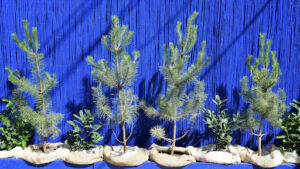
So, you’ve got a Ginkgo sapling, or you’re thinking about getting one. It’s natural to wonder how big it’ll get and how long it’ll take to get there. Ginkgo trees are known for being slow growers, but that’s part of their charm and their longevity. They’re not the kind of tree that shoots up overnight; instead, they take their sweet time, developing into sturdy, long-lived specimens.
When you first plant a ginkgo, especially from seed, it can take a while to even get going. Germination itself can be a patient process, sometimes taking a couple of months. Once it starts growing, the first few years are often the fastest growth period. We’re talking about maybe 12 to 24 inches of new height each year during this seedling stage, which can last for a year or two. It’s not lightning speed, but it’s noticeable.
As the tree matures, its growth rate naturally slows down. This transition from a young, vigorous sapling to a mature tree is a gradual one. It really starts to hit its stride and develop that classic Ginkgo shape over decades. Think of it as a marathon runner, not a sprinter.
Here’s a general idea of what to expect:
- Seedling Stage (First 1-2 years): This is when you’ll see the most rapid vertical growth, potentially 1-2 feet per year. The tree is establishing its root system and putting on initial height.
- Juvenile Stage (Years 2-20): Growth continues, but at a more moderate pace. The tree focuses on thickening its trunk and developing its branching structure.
- Mature Stage (20+ years): Growth slows considerably. The tree is now focused on maintaining its form, producing seeds (if female), and living out its incredibly long life.
The Ginkgo’s journey from a tiny seed to a majestic, ancient tree is a testament to patience and resilience. It’s a tree that rewards long-term vision, becoming a significant landscape feature over many generations.
It’s important to remember that these are general timelines. Actual growth can vary quite a bit based on where you plant your ginkgo, how much sun and water it gets, and the specific soil conditions. Don’t get discouraged if yours isn’t growing as fast as you expected; ginkgos are built for the long haul.
Factors That Influence Ginkgo Tree Growth Rate
So, you’re curious about what makes a Ginkgo tree grow at its own pace? It’s not just one thing, really. Several elements play a role in the Ginkgo tree growth rate, affecting how quickly your Ginkgo Biloba tree grows from a little sapling into that majestic specimen.
Think about it like this: even though Ginkgo trees are known for being tough and long-lived, they still have preferences. The environment you plant it in is a big deal for the Ginkgo tree growth rate.
Here are some of the main things that can speed up or slow down your Ginkgo tree’s progress:
- Sunlight: These trees generally like a good amount of sun. While they can handle some shade, more direct sunlight usually means better growth. Too much shade, and you might see a slower Ginkgo tree growth rate.
- Soil Quality and Drainage: Ginkgos aren’t super picky about soil type – they can handle clay and different pH levels. However, they really need soil that drains well. If water sits around the roots, it can cause problems and hinder growth.
- Water Availability: Especially when young, ginkgos need consistent watering to get established. Once they’re mature, they’re pretty drought-tolerant, but consistent moisture helps maintain a good Ginkgo tree growth rate.
- Temperature and Climate: Ginkgos are hardy and can survive in various zones, but extreme heat or cold can stress the tree and impact its growth. They do best in areas with distinct seasons.
- Nutrients: While not heavy feeders, providing a balanced, slow-release fertilizer in early spring can give your Ginkgo Biloba tree growth rate a nice boost.
It’s interesting how these ancient trees, survivors of so much history, still respond so directly to the basic needs of light, water, and good soil. It’s a reminder that even the most resilient plants depend on their surroundings to truly thrive.
Understanding these factors helps you give your Ginkgo the best chance to reach its full potential. It’s all about creating the right conditions for that steady, impressive Ginkgo tree growth rate we expect from this unique tree.
Soil and Watering: Keys to Maximizing Growth Rate
Alright, let’s talk about what your Ginkgo tree really likes when it comes to dirt and drinks. Getting the soil and watering right is pretty much the biggest thing you can do to help your Ginkgo grow at its best. These trees are tough, sure, but they still have preferences.
The most important thing is well-drained soil. Seriously, nobody likes soggy feet, and that includes trees. If water sits around the roots for too long, it can cause all sorts of problems, like root rot. Ginkgos can handle a lot of different soil types, even clay, as long as that clay lets water drain away reasonably well. They’re not super picky about pH either, which is a nice bonus.
When you first plant your Ginkgo, you’ll want to give it a good drink. For the first year or two, until it really gets settled in, watering it deeply a couple of times a week is a good idea, especially if it’s dry out. You’ll get a feel for it; the soil should be moist but not waterlogged. Once it’s established, though, these trees are pretty drought-tolerant. They can handle dry spells pretty well.
Here’s a quick rundown on what helps:
- Soil Drainage: Aim for soil that lets water pass through. If your soil is heavy clay, consider amending it with some compost or sand to improve drainage before planting.
- Watering Young Trees: Water deeply 2-3 times a week until the tree is established (usually 1-2 years).
- Watering Mature Trees: Once established, water only during prolonged dry periods.
- Mulching: Adding a 2-3 inch layer of mulch around the base (but not touching the trunk!) helps keep the soil cool, retains moisture, and suppresses weeds. It’s like a cozy blanket for the roots.
Don’t overthink the soil too much, but do pay attention to how water behaves in the ground where you’re planting. A little bit of effort up front to ensure good drainage will save you a lot of headaches down the road. And remember, consistent watering when the tree is young is way better than sporadic drenching.
So, while Ginkgos are known for being hardy survivors, giving them the right foundation with good soil and sensible watering habits will really make a difference in how well and how fast they grow.
Sunlight, Temperature, and Climate Effects on Growth
Ginkgo trees are pretty tough when it comes to where they can grow. They’re known to do well in growing zones 3 through 9, which is a pretty wide range. This means they can handle some serious cold and also warmer weather.
They generally prefer full sun, but they can also manage in partial shade. This adaptability is one reason they’ve stuck around for so long – they aren’t super picky.
Here’s a quick look at what they like:
- Sunlight: Full sun is ideal for the best growth and a nice, full shape. Partial shade is also acceptable, though growth might be a bit slower.
- Temperature: Ginkgos can tolerate a wide range of temperatures, from quite cold winters to warm summers. They’re hardy trees.
- Climate: They do best in areas with distinct seasons. Extreme, constant heat or cold without variation isn’t their favorite, but they’re resilient.
Basically, if you have a spot that gets decent light and doesn’t have crazy, extreme weather all year round, your Ginkgo should be pretty happy. They’ve survived ice ages, so a little bit of what we consider tough weather is no big deal for them.
Different Ginkgo Cultivars and Their Growth Rates
You know, not all Ginkgo trees are created equal. Just like how some dog breeds are naturally more energetic than others, different Ginkgo cultivars have their own quirks when it comes to growth. While the species as a whole is known for being a slow and steady grower, some varieties have been specifically bred or selected for certain traits, including their growth speed and overall shape.
The ‘Autumn Gold’ cultivar is often cited as a good example of a typical Ginkgo, showing a growth rate of about 12 to 24 inches per year when young. This is pretty standard for the species. However, you might find others that are more compact, or perhaps a bit more vigorous, depending on what the nursery has focused on.
It’s not just about how fast they shoot up, either. Some cultivars are bred to stay narrower, which is great if you don’t have a ton of space. Others might naturally spread wider as they mature. This can make a big difference in how you plan your landscaping.
Here’s a quick look at how some common types might differ:
- ‘Autumn Gold’: Generally considered a standard, moderate grower, often with a nice, upright habit that widens with age. Good for a classic look.
- ‘Princeton Sentry’: This one is known for its more columnar, upright form, making it a good choice for tighter spaces. It still grows at a typical Ginkgo pace but stays more slender.
- ‘Fairmont’: Another cultivar that tends to be more upright and narrow, often used for street plantings where space is a consideration.
- ‘Spring Grove’: This variety is noted for its more compact and rounded shape, which might mean a slightly slower overall spread compared to more vigorous, upright types.
When you’re picking out a Ginkgo, don’t just grab the first one you see. Take a moment to check the tag or ask the folks at the nursery about the specific cultivar. Knowing its typical growth habit and speed can save you a lot of guesswork down the road and help you choose the perfect tree for your spot.
So, while you can generally expect a Ginkgo to be a long-term player in your garden, choosing the right cultivar can help you manage its size and shape from the get-go. It’s all about finding the one that fits your vision and your yard.
Male vs Female Trees: Which Has a Faster Growth Rate?
When you’re looking at Ginkgo trees, you might wonder if there’s a difference in how fast the male and female ones grow. It’s a common question, and the short answer is: not really. For the most part, male and female Ginkgo trees grow at a similar pace. Both sexes are known for their steady, if not exactly lightning-fast, growth, typically adding about 1 to 2 feet per year when they’re young and healthy.
Ginkgos are indeed dioecious, meaning individual trees are either male or female. This is a pretty unique trait, especially for such an ancient species. While they look alike when they’re young, their reproductive structures are different. Males produce pollen, and females produce the distinctive, somewhat smelly, seed-like structures. These structures, which are technically not fruits, contain a hard seed inside a fleshy outer layer. The seeds from a mother plant can sometimes have a slightly greater average fresh weight compared to hybrid seeds.
So, if you’re picking out a Ginkgo for your yard and you’re focused purely on how quickly it’ll get big, you probably don’t need to stress too much about whether it’s a boy or a girl tree. The factors that really influence growth speed are things like:
- Age of the tree: Younger trees generally grow faster than older ones.
- Environmental conditions: Plenty of sunlight, good soil drainage, and adequate water make a big difference.
- Cultivar: Some specific varieties of Ginkgo have been bred for slightly different growth habits.
While there isn’t a significant, consistent difference in growth rate between male and female Ginkgo trees, the female trees do produce seeds. These seeds, while not true fruits, can be a bit of a nuisance due to their odor when they ripen and fall. Many people opt for male trees specifically to avoid this issue, but this choice doesn’t typically impact the tree’s height or spread over time.
Ultimately, whether you choose a male or female Ginkgo, you’re getting a tree with a long lifespan and a unique history. Just focus on giving it the best conditions to thrive, and it will reward you with its steady growth and beautiful foliage.
Common Growth Challenges and How to Overcome Them
Even though Ginkgo trees are tough, they aren’t completely immune to problems. Sometimes, things just don’t go as planned with their growth.
One common issue is slow growth, especially in the first few years. This can be frustrating when you’re eager to see your tree mature. It often comes down to the basics: soil, water, and light.
Here are a few things that can throw a wrench in your Ginkgo’s growth:
- Poor Drainage: Ginkgos don’t like soggy feet. If your soil holds too much water, the roots can rot, stunting growth.
- Not Enough Sun: While they tolerate some shade, they really thrive with at least six hours of direct sunlight daily. Less sun means less energy for growing.
- Nutrient Deficiencies: Like any plant, Ginkgos need food. If the soil is lacking essential nutrients, growth will suffer.
- Transplant Shock: Moving a young tree can be stressful. It might take a season or two to recover and start growing vigorously again.
The key to overcoming these challenges is often about getting the environment just right from the start.
If you notice your Ginkgo isn’t growing much, take a step back and assess its conditions. Is the soil draining well? Is it getting enough sun? Sometimes, a simple adjustment can make a world of difference. For instance, amending heavy clay soil with compost can improve drainage. If you suspect nutrient issues, a balanced fertilizer applied in spring can help.
Remember, Ginkgos are known for their longevity. A slow start doesn’t mean a lifetime of poor growth. Patience and consistent care are usually rewarded with a strong, healthy tree down the line.
What to Expect From Your Ginkgo Tree Over Its Lifetime
So, you’ve planted a ginkgo, or you’re thinking about it. That’s awesome! These trees are seriously something else. They’re like living history lessons, right in your backyard. They’re not just trees; they’re survivors.
When you first get your ginkgo, it’s going to be a bit of a slow starter. Think of it like a teenager – lots of potential, but not quite there yet. For the first few years, you’ll see it put on maybe 12 to 24 inches of growth annually. It’s building its foundation, getting its roots settled. This is the time to give it a good drink regularly and make sure it’s happy with its spot.
As it gets older, say, past the 20-year mark, things start to change. It’s like it hits its stride. The growth might slow down a bit in terms of height, but it’s really filling out, becoming that majestic, sturdy tree we picture. This is when it really starts to look like a mature specimen, with that distinctive fan-shaped foliage.
Here’s a rough idea of what the timeline looks like:
- Seedling Stage (Years 1-2): Quick growth, 12-24 inches per year. Focus on establishment.
- Juvenile Stage (Years 3-20): Steady growth, still adding height and branching out.
- Maturity (20+ Years): Slower height gain, but significant canopy development. Starts producing seeds (if female).
- Old Age (Centuries): Becomes incredibly resilient, a true landmark. These trees can live for a thousand years or more!
Ginkgo trees are remarkably tough. They can handle pollution, salty air, and even drought once they’re established. This resilience is part of why they’ve been around for so long, surviving ice ages and all sorts of environmental shifts. They’re truly built to last.
Don’t be surprised if your Ginkgo takes its sweet time to reach its full potential height, which can be anywhere from 40 to 60 feet. It’s a marathon, not a sprint. But the payoff is a tree that’s not only beautiful, especially in the fall with its golden leaves, but also incredibly low-maintenance. Once it’s settled in, it basically takes care of itself. You’re planting a piece of history that will likely outlive you and maybe even your grandkids. It’s a pretty cool thought, isn’t it? You can find out more about the long history of Ginkgo biloba to get a sense of just how ancient these trees are.
Your Ginkgo tree is a long-term resident, and understanding its journey from a young sapling to a mature tree is key. Over the years, you’ll see it grow, change with the seasons, and offer beautiful shade. Want to make sure your Ginkgo thrives for decades to come? Visit our website for expert tips and services to keep your tree healthy and strong.
Frequently Asked Questions
How fast do Ginkgo trees grow each year?
Ginkgo trees are known for being slow growers, especially when they are young. They typically add about 12 to 24 inches in height each year once they get going. This steady pace means they take their time to reach their full, impressive size.
How tall can a Ginkgo tree get?
Ginkgo trees can become quite large over time. Wide varieties reach a mature height of around 40 to 60 feet. Some might even grow a bit taller, becoming grand, towering trees that provide plenty of shade.
Does a Ginkgo tree’s growth rate change as it gets older?
Yes, it does! Ginkgo trees tend to grow faster when they are younger, during their first few decades. As they mature, their growth slows down considerably. They focus more on getting stronger and maintaining their established form rather than on rapid height increases.
What are the best conditions for a Ginkgo tree to grow well?
Ginkgo trees are pretty adaptable. They like soil that drains well and can handle a range of soil types, even clay. They also do well in spots with full sun to partial shade. Good watering when they are young helps them get established.
Do I need to prune my Ginkgo tree?
Generally, Ginkgo trees don’t need much pruning. If you do need to trim them, it’s best to do it when the tree is dormant, like in the winter. This is a good time to remove any branches that are dead, damaged, or crossing each other, or if you want to shape the tree a bit.
Are there different types of Ginkgo trees with different growth rates?
Yes, there are different varieties, or ‘cultivars,’ of Ginkgo trees. Some might be bred to grow more upright and narrow, while others might spread wider. While the basic growth rate is similar, specific cultivars can have slightly different growth habits.
Do male or female Ginkgo trees grow faster?
There isn’t a significant difference in growth rate between male and female Ginkgo trees. Both sexes generally follow the same growth patterns. The main difference is that female trees produce the fruit-like seeds, which can be messy and smelly, while male trees do not.
How long does it take for a Ginkgo tree to become a mature tree?
It takes quite a while for a Ginkgo tree to reach its full, mature size. While they grow steadily, it can take many years, often decades, for them to become the large, impressive trees they are known for. Think of it as a long-term investment in your landscape!
Request a Quote
Our Services


