
Best Tools for Cutting High Tree Branches Safely & Easily
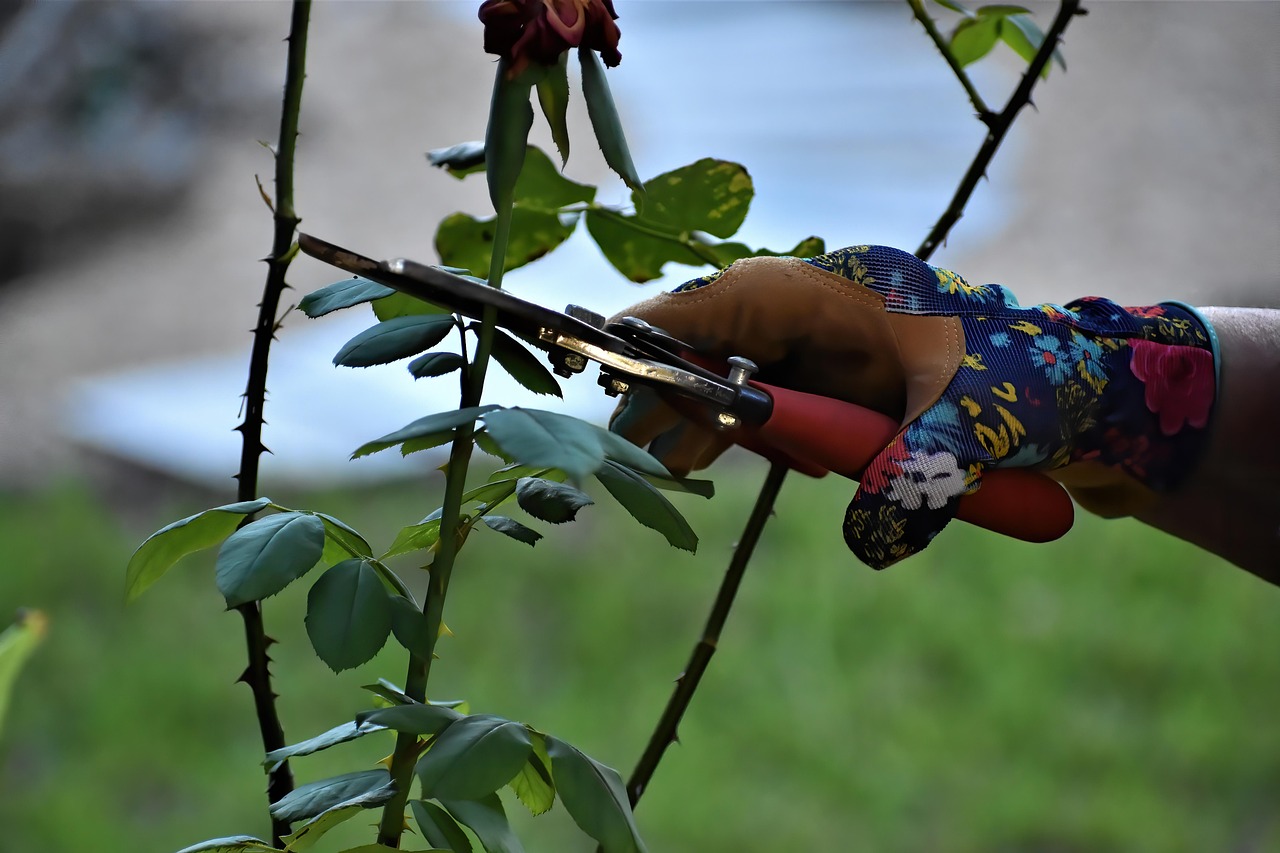
I’ve been looking into ways to keep my trees looking good and healthy, and that often means trimming branches. It’s not always easy, especially when branches are way up high. I’ve found that having the right gear makes all the difference. This article is all about finding the best tool for cutting high tree branches, so you can tackle the job safely and without too much hassle. Let’s get started.
Key Takeaways
- Using the correct tool for cutting high tree branches is vital for safety and efficiency.
- Pole saws and telescopic pruners are excellent for reaching high branches without a ladder.
- For thicker branches, consider chainsaws or specialized pruning saws, but always prioritize safety.
- Always wear appropriate safety gear, including eye protection, gloves, and a hard hat.
- Proper technique, like the three-cut method for larger branches, minimizes tree damage and promotes healing.
Why Pruning High Tree Branches Is Essential for Tree Health and Safety
When I look at my trees, I often think about how much better they could be. Pruning the higher branches isn’t just about making them look tidier, though that’s part of it. For me, it comes down to keeping the tree healthy and making sure it’s not going to cause any trouble. Dead or dying branches are a real concern. They can break off unexpectedly, especially when the wind picks up or if there’s a heavy snowfall. I’ve seen branches fall and damage fences or even cars, and I want to avoid that kind of mess.
Beyond the safety aspect, pruning helps the tree itself. When branches are too crowded, they block sunlight from reaching other parts of the tree. This can make leaves turn yellow or brown and generally weaken the tree. It’s like the tree can’t breathe properly. Removing those overgrown or weak branches lets more light and air get to the inner parts, which I think helps the whole tree stay strong and fight off pests or diseases. It’s a bit like giving the tree a good haircut so it can grow better.
I also find that pruning helps manage the tree’s shape. Sometimes a branch just grows in a weird direction, and if left unchecked, it can make the whole tree look a bit lopsided. Keeping things trimmed up can make the garden look much neater, and it also helps the smaller plants growing underneath. If the tree canopy gets too dense, it can block too much sun from the ground, and that’s not good for the flowers or shrubs I’ve planted.
It’s important to remember that pruning isn’t just about cutting things off; it’s about understanding what the tree needs to thrive. Making the right cuts at the right time can make a big difference in its long-term health and appearance.
So, for me, pruning the high branches is a way to look after my property and also to be a good steward of the trees themselves. It’s about preventing problems before they start and helping them grow in a way that’s good for everyone. If you’re looking to propagate specific trees, understanding how to take cuttings can be a rewarding process, though it requires patience. Growing pine trees can be a good example of this.
Key Safety Precautions Before Cutting High Tree Branches
Before I even think about reaching for a saw, I always take a moment to look at what I’m about to do. It’s not just about grabbing the right tool; it’s about making sure I don’t end up in a worse situation than the tree itself.
First off, I check the area around the tree. Are there any power lines nearby? That’s a big no-go for me. If there are, I’m calling the utility company or a pro. I also clear away any junk on the ground – fallen leaves, old pots, anything that could make me trip. You don’t want to be worried about stumbling when you’re trying to balance on a ladder or just keep your footing.
Then, I look at the branches themselves. Are any of them dead or look like they might break off unexpectedly? I try to get a feel for how stable things are before I make any cuts.
It’s about respecting the tree and the process. Rushing in can lead to mistakes that are hard to fix, and worse, can be dangerous.
I also make sure my tools are in good shape. A dull blade or a wobbly pole isn’t just ineffective; it’s a safety hazard. I’ll give them a quick once-over, making sure everything is tight and sharp. And of course, I will never forget my safety gear. That means sturdy gloves, eye protection, and if I’m using a ladder, I double-check that it’s set up solid on level ground. My personal rule is to always have three points of contact when I’m on a ladder – two feet and one hand, or two hands and one foot. It might seem like a lot of fuss, but it’s the best way I know to keep myself safe while I’m working up high.
Choosing the Right Tree Trimming Tools for Elevated Branches
When I’m looking to trim branches that are out of easy reach, the first thing I consider is the tool. It’s not a one-size-fits-all situation, and picking the wrong one can make the job harder and, frankly, more dangerous. I’ve learned that the thickness of the branch and how high up it is dictate what I should be using.
For smaller branches, say up to an inch or so, my trusty bypass pruners or even some good loppers usually do the trick. They give a clean cut, which is better for the tree’s health. If I need a bit more reach with these, I look for models with longer handles. It’s amazing how much difference a few extra inches can make, letting me avoid a ladder for those slightly higher, thinner branches. It’s also important to know where to cut; making the cut just outside the branch collar helps the tree heal properly. Understanding tree anatomy can help with this.
When branches get thicker, maybe an inch and a half or more, I start thinking about saws. A good pruning saw, especially one with a curved blade, can handle quite a bit. If I’m dealing with branches that are high up and also thick, a pole saw is often my go-to. It’s basically a saw on a long pole, and it lets me stand safely on the ground. There are manual pole saws, and then there are powered ones, which can make cutting through thicker wood much faster. I have to be careful with those, though; they can be heavy and require a good grip.
Here’s a quick rundown of what I consider:
- Branch Diameter: Small (under 1 inch), Medium (1-2 inches), Large (over 2 inches).
- Height: Ground level, easily reachable with hand tools, requires extended reach (pole tools), or too high for safe ground work.
- Tool Type: Pruners, loppers, pruning saw, pole saw (manual or powered).
Picking the right tool isn’t just about making the cut; it’s about making the right cut for the tree’s long-term health and doing it safely. I always try to use the least aggressive tool that can get the job done effectively.
For large limbs or if I’m unsure, I might even consider renting a specific tool or, more often than not, calling in a professional. It’s better to be safe than sorry, and sometimes, the job is just beyond what I can comfortably and safely manage on my own.
Manual vs. Powered Pruning Tools
When I’m looking at trimming branches high up in a tree, I often find myself weighing the pros and cons of manual versus powered tools. It comes down to what you’re trying to accomplish and what you’re comfortable with. Manual tools, like loppers and pruning saws, are generally simpler and don’t require fuel or electricity. They’re great for smaller jobs or when you want a bit more control over each cut. However, they can be more physically demanding, especially if you’re dealing with a lot of branches or thicker ones.
Powered tools, on the other hand, can make quick work of even tough branches. Think electric chainsaws or pole saws. They offer more cutting power and can reduce the physical effort involved. The trade-off is that they can be heavier, noisier, and you need to manage power sources, whether that’s batteries, cords, or gasoline. For someone like me who might not be pruning every single day, the decision often hinges on the scale of the job and how much effort I want to put in.
Here’s a quick rundown of what I consider:
- Manual Tools:
- Pros: Lighter, quieter, no power source needed, good for precise cuts, generally less expensive.
- Cons: More physical effort required, slower for large jobs, limited by user strength.
- Powered Tools:
- Pros: Faster, more cutting power, less physical strain, efficient for large or tough jobs.
- Cons: Heavier, noisier, require a power source (battery, cord, gas), can be more expensive, may require more safety training.
Ultimately, the ‘best’ choice depends on your specific needs. If I have just a few small branches to trim, my manual loppers or a pruning saw will do just fine. But if I’m facing a whole tree with thick, high limbs, I’ll definitely be looking at a powered pole saw to save my arms and my time.
Top Manual Tools for Cutting High Tree Branches
When I need to tackle branches that are just out of reach, I always look to manual tools first. They offer a good balance of control and effectiveness for many common pruning tasks. For smaller, younger branches, bypass pruners are my go-to. They make clean cuts, which is better for the tree’s health. If the branches are a bit thicker, say up to an inch or so, I’ll switch to loppers. Some loppers have longer handles, which gives me a bit more reach without having to stretch too much.
The best tools to cut tree branches effectively often depend on the branch’s size and your reach. For those higher branches that loppers can’t quite get, a pole saw is a real lifesaver. I’ve found that a good pole saw, especially one with a telescoping handle, lets me reach quite high without needing a ladder. This is a big safety win in my book. I recently used a TALITARE pole saw, and its extendable design made reaching those awkward branches much simpler. The alloy steel blades cut through branches cleanly, and the iron handle felt sturdy. It’s one of the best tools to cut tree branches when height is a factor.
Here are some of the manual tools I find most useful:
- Pruning Shears (Hand Pruners): Great for small branches, typically up to 3/4 inch thick. They are easy to handle and provide precise cuts.
- Loppers: These have longer handles than pruners and can cut branches from 3/4 inch up to about 1.5 inches. The longer handles also give you a bit more leverage and reach.
- Pole Saws: These combine a saw blade with a long pole, allowing you to reach branches many feet off the ground. They are excellent for cutting thicker branches at a distance.
When using any manual tool, remember that proper technique matters. Make sure your cuts are clean and avoid damaging the branch collar. This helps the tree heal properly and prevents disease.
For thick branches that are still within reach, a pruning saw can be very effective. It gives you more power than loppers but still offers good control. It’s important to keep these tools sharp; dull blades make the job harder and can damage the tree.
Best Powered Tools for Efficient High-Branch Pruning

When dealing with higher branches, especially those that are a bit too thick for manual tools, powered options can make a difference. I’ve found that using powered tools can speed things up considerably, but it’s important to pick the right one for the job and always keep safety in mind.
One of the most common powered tools for this kind of work is the electric pole saw. These are fantastic because they combine the reach of a pole saw with the cutting power of a small electric motor. This means you can tackle branches that are out of reach without needing a ladder, which is a big plus for safety and convenience. They’re generally lighter than gas-powered models, making them easier to maneuver.
For thicker branches, a chainsaw might seem like the obvious choice, but for high branches, a specialized electric chainsaw on a pole is often more practical. These can cut through branches that are several inches in diameter quite efficiently. I’ve used some that have extendable poles, allowing me to reach branches that are quite high up, maybe 15 to 20 feet off the ground.
Here’s a quick look at what makes powered tools useful
- Efficiency: They cut through branches much faster than manual tools.
- Reduced Effort: The motor does most of the hard work, saving your energy.
- Extended Reach: Many models come with telescopic poles, letting you reach higher branches without a ladder.
It’s worth noting that while these tools are powerful, they also require more caution. Always make sure you have a firm footing, wear your safety gear, and read the manufacturer’s instructions before you start. If a branch is particularly large or you’re working near power lines, it’s always best to call a professional.
When using powered tools for high branch pruning, maintaining control is key. Ensure the tool is balanced and that you have a stable stance. Avoid overreaching, as this can lead to loss of balance and potential injury.
Comparing Pole Saws and Telescopic Pruners for Extended Reach
When I need to tackle branches that are just out of reach, I often find myself weighing the pros and cons of pole saws versus telescopic pruners. Both are designed to extend my reach, but they serve slightly different purposes, and understanding those differences helps me pick the right one for the job.
A pole saw, at its core, is a saw blade attached to a long pole. Some have a small chainsaw-like cutting head, while others have a more traditional pruning saw blade. The primary advantage of a pole saw is its ability to cut through thicker branches that a pruner simply couldn’t handle. Think of branches that are an inch or more in diameter – that’s where a pole saw often shines. They can also be quite powerful, especially the powered versions, making quick work of tougher limbs. I’ve found that a good pole saw can make reaching those higher branches feel much less daunting.
Telescopic pruners, on the other hand, are essentially long-handled loppers. They have a bypass blade mechanism, similar to hand pruners or loppers, and are best suited for branches that are a bit thinner, typically up to about two inches in diameter. Their strength lies in their precision and ease of use for lighter pruning tasks. I like them for trimming smaller, high-up branches or shaping shrubs without needing a ladder.
Here’s a quick comparison
| Feature | Pole Saw | Telescopic Pruner |
| Cutting Capacity | Thicker branches (1-6+ inches) | Thinner branches (up to 2 inches) |
| Cutting Action | Sawing (chainsaw or pruning saw blade) | Lopping (bypass blade) |
| Best For | Tougher limbs, thicker branches | Lighter pruning, smaller branches |
| Power Options | Manual, Electric, Gas | Manual |
When deciding between the two, I always consider the thickness of the branches first. If they’re substantial, a pole saw is usually the way to go. For lighter, more delicate work at height, telescopic pruners are my preference.
Selecting the Right Tool Based on Branch Thickness and Height

When I’m looking at cutting branches way up high, the first thing I consider is just how thick that branch is. It makes a big difference in what tool I’ll grab. For smaller stuff, maybe up to an inch or so, my bypass pruners or even some good loppers usually do the trick. They give a clean cut, which is good for the tree’s health, and I don’t have to strain too much.
If the branches get a bit bigger, say between 1.5 and 4 inches, I’m definitely reaching for a pruning saw. Sometimes, if it’s just out of reach, I’ll use a pole saw with a pruning saw attachment. It’s like having an extension for my arm, and it means I don’t have to get out a ladder for every little thing.
Now, for anything thicker than 4 inches, or if I’m dealing with a lot of branches at a significant height, I have to think about a chainsaw, usually one mounted on a pole. It’s all about matching the tool to the job size and the height I need to reach. Trying to cut a thick branch with a small tool is just asking for trouble, and it’s not safe.
Here’s a quick rundown I often keep in mind:
- Up to 1 inch: Bypass pruners or small loppers.
- 1 to 4 inches: Pruning saw, possibly on a pole.
- Over 4 inches: Pole saw with a chainsaw attachment or a handheld chainsaw (if safe and accessible).
It’s about being realistic with what the tool can handle and what I can safely manage. Pushing a tool beyond its limits is a recipe for a bad time, and honestly, it’s just not worth the risk to myself or the tree.
Essential Safety Gear for Pruning Tall Trees
When I’m out there tackling those high branches, the first thing on my mind is staying safe. It’s not just about having the right tool; it’s about protecting myself from potential hazards. I always start by putting on a good pair of work gloves. These aren’t just for comfort; they help prevent splinters and give me a better grip on tools and branches.
Next up is eye protection. A simple pair of safety glasses can save my eyes from flying sawdust or small twigs. If I’m working with a pole saw or anything that might cause larger debris to fall, I’ll also wear a sturdy helmet. It’s a small step, but it offers peace of mind against unexpected falling branches.
I also make sure to wear long pants and a long-sleeved shirt. This protects my skin from scrapes, insect bites, and the sun, especially on those longer pruning sessions.
It’s easy to get focused on the cutting, but remembering to wear the right gear is just as important as choosing the correct saw.
If I’m using a ladder, I double-check that it’s stable and on level ground. While I try to avoid needing a ladder for high branches, sometimes it’s unavoidable for those just out of reach. For those situations, I always maintain three points of contact with the ladder.
Here’s a quick rundown of what I usually have on:
- Work Gloves: For grip and protection.
- Safety Glasses: To keep debris out of my eyes.
- Helmet: For head protection from falling objects.
- Sturdy Footwear: Preferably closed-toe shoes or boots.
- Long Pants and Sleeves: To protect my skin.
For more complex jobs, especially those involving climbing, arborists use specialized equipment like harnesses and ropes. If my project starts to feel beyond my comfort zone, I know it’s time to look for professional help, perhaps from someone who has experience with tree climbing gear.
Step-by-Step Guide to Safely Cutting High Tree Branches
Before I start any high branch pruning, I always take a moment to get my workspace ready. This means clearing away any clutter like garden tools, pots, or stray branches from the area where I’ll be working. I also make sure the ground is stable and level, especially if I’m using a ladder.
Next, I gather all my tools and safety gear. This usually includes my pole saw or telescopic pruners, gloves, safety glasses, and a hard hat. It’s important that my cutting tools are sharp; a dull blade makes the job harder and can damage the tree. I check my equipment to make sure it’s in good working order.
Then, I identify the branches I need to cut. I look for deadwood or branches that are growing in a way that might cause problems later. For thicker branches, I remember the three-cut method to prevent the bark from tearing.
Here’s how I do the three-cut method:
- First Cut: I make an undercut about a foot away from the trunk, going about a quarter of the way through the branch from the bottom. This stops the branch from ripping the bark when it falls.
- Second Cut: About two inches further out from the first cut, I saw through the top of the branch. This cut goes all the way through, letting the main weight of the branch drop.
- Final Cut: I then make the final cut just outside the branch collar, which is that swollen area where the branch meets the trunk. This cut should be clean and smooth.
For smaller branches, a simple angled cut with my pruners works well. An angled cut helps water run off, which is better for the tree’s health.
Always be aware of where the branch will fall. Make sure the area is clear and that no one is standing underneath.
After cutting, I clean up all the fallen branches. It’s good practice to keep the area tidy. If I’m unsure about a particular branch or if the job seems too big, I don’t hesitate to call a professional arborist. It’s better to be safe than sorry, and sometimes you just need expert help.
Common Mistakes to Avoid When Trimming Elevated Branches
When I first started trimming branches way up high, I made a bunch of mistakes. It’s easy to get carried away and think you know what you’re doing, but some errors can mess up your tree or even hurt you.
One big thing I learned is not to rush the cuts. For thicker branches, using the three-cut method is important. If you just try to cut it all at once, the branch can tear the bark all the way down to the trunk. That’s bad news for the tree’s health. So, first, I make a small cut from the bottom, about a foot out from the trunk. Then, I make a second cut from the top, a few inches further out than the first cut, to let the branch fall. Finally, I made the clean cut to remove the stub, right outside the branch collar. It sounds like a lot, but it makes a huge difference.
Another common slip-up is cutting too close to the trunk, right into the branch collar. That little bump where the branch meets the trunk is actually super important for healing. If you cut into it, you’re basically inviting disease and rot. I always try to leave that collar intact.
Here are some other things I try to avoid
- Overreaching: Trying to stretch too far from a ladder or even from the ground is a recipe for disaster. It throws off your balance and can lead to a bad cut or a fall. Always reposition the ladder or yourself to get a good, stable angle.
- Using dull tools: Dull blades don’t cut cleanly. They crush the wood, which makes it harder for the tree to heal and can open it up to sickness. I make sure my pole saw and loppers are sharp before I even start.
- Ignoring the surroundings: It’s not just about the tree. I always check for power lines, people, pets, or anything else that could be in the path of a falling branch. Clearing the area below is a must.
It’s also easy to forget about the tree’s overall shape and health. Just hacking away at branches without a plan can leave the tree looking lopsided or stressed. I try to step back and look at the tree after a few cuts to make sure I’m not creating new problems.
Finally, I learned the hard way that trying to tackle branches that are too big or too high for my tools is a bad idea. If a branch is thick or located high up, it’s better to call in a professional. They have the right equipment and know-how to handle those tough jobs safely. You can find good arborists through services like Beswick Tree Service.
Maintenance Tips to Keep Your Tree Pruning Tools in Top Shape
Keeping your tree trimming tools in good working order is essential if you want them to last and do a good job. I’ve found that a little bit of upkeep after each use makes a big difference.
First off, cleaning is key. After I finish cutting, I always wipe down the blades to get rid of sap and any dirt. This stops rust from forming and makes sure the blades stay sharp. For sticky sap, a bit of rubbing alcohol works wonders.
Sharpening is another thing I don’t skip. Dull blades don’t cut cleanly, and that’s bad for the tree. It can make the cuts ragged, which takes longer for the tree to heal and can invite problems. I use a sharpening stone or a file, depending on the tool. For my bypass pruners, a quick touch-up with a file keeps them cutting like new.
Here’s a quick rundown of what I do
- Wipe down blades: Remove sap and debris after every use.
- Disinfect: Use rubbing alcohol or a disinfectant spray to kill any potential pathogens.
- Sharpen: Keep blades keen for clean cuts.
- Lubricate: A light oil on metal parts helps prevent rust, especially before storing.
- Check for damage: Look for loose screws or bent parts on loppers or pole saws.
Storing your tools properly is just as vital. I make sure they’re in a dry spot, away from moisture. If I’m putting them away for the season, I might even give the metal parts a light coat of oil to protect them from rust. It might seem like a lot of fuss, but it means my tools are ready to go when I need them, and they don’t end up costing me more money down the line because they’ve fallen apart.
For pole saws and telescopic pruners, I pay extra attention to the extension mechanisms. Making sure they’re clean and free of debris helps them lock securely. It’s also a good idea to check the cutting lines or cables on powered pole saws for any fraying. Keeping everything clean and sharp means I can tackle those high branches safely and without a struggle.
When to Hire a Professional Arborist for High Branch Removal
While I enjoy tackling DIY projects around my property, there are definitely times when calling in a professional arborist makes more sense. For high branch removal, especially if the branches are large, dead, or pose a significant risk, it’s often best to let the experts handle it. Trying to reach very high branches yourself, even with specialized tools, can be quite dangerous. You risk falling from a ladder, or worse, having a heavy branch fall unexpectedly and cause damage or injury.
Here are a few situations where I’d strongly consider hiring a professional:
- Branches are very high: If the branches are beyond the comfortable reach of even a long pole saw or telescopic pruner, it’s time to call it. Safety is paramount, and overextending yourself is a recipe for disaster.
- Branches are large or heavy: Cutting thick, heavy limbs requires specific techniques and powerful tools, like chainsaws operated from a safe position. Improper cuts can lead to the branch splitting or falling unpredictably.
- The tree is near structures or power lines: This is a big one. If the tree or the branches you need to remove are close to your house, garage, fences, or especially power lines, the risk of property damage or electrocution is too high for an amateur.
- The tree appears unhealthy or diseased: If the tree itself looks weak, has signs of rot, or if you’re unsure about the best way to prune it for its health, an arborist can assess the situation and provide the best course of action.
- You lack the proper safety gear or experience: If you don’t have the right safety equipment (like a helmet, eye protection, and sturdy gloves) or feel uncomfortable working at heights, it’s a clear sign to hire someone who does.
Trying to save a few bucks by doing a risky job yourself often ends up costing more in the long run, whether it’s through property damage, injury, or even harming the tree itself. It’s usually worth the investment to have a qualified arborist do the job right.
Got a tall tree with branches that need trimming? If you’re wondering when it’s time to call in the pros for high branch removal, it’s usually when those branches are too high to reach safely or pose a risk. Don’t try to tackle dangerous jobs yourself! We can help keep your trees healthy and your property safe. Visit our website today to learn more and get a free quote!
Frequently Asked Questions
What is the best tool for cutting high tree branches?
When I need to cut branches that are high up, I find that a pole saw is usually the best tool. It has a long handle, which means I don’t need a ladder. This makes reaching those higher branches much safer and easier. The length of the pole can often be adjusted, so I can get to branches at different heights.
What tool should I use for very thick branches?
For branches that are quite thick, I would suggest using a chainsaw if I have the experience and safety gear. However, if I’m not comfortable with a chainsaw, a pole saw can also handle branches up to about 6 inches wide, depending on the model. For even thicker branches, a hand saw might be needed, but it can be tiring.
What safety gear do I need when cutting branches?
I always make sure to wear safety glasses to protect my eyes from falling bits of leaves or wood. A hard hat is also important for protecting my head, especially if there’s a chance of branches falling. Gloves are a must for protecting my hands from cuts and scrapes when I’m handling the tools or the branches themselves.
What are some important safety tips to follow?
When I’m cutting branches, I always check my tools first. I make sure the blades are sharp and that any moving parts are working smoothly. For power tools, I read the manual and follow all safety instructions. It’s also important to make sure the area is clear of anything I could trip over and that I have a safe way to get away if a branch falls unexpectedly.
When is the best time of year to prune trees?
I usually find that the best time to prune most trees is in the late winter or early spring. This is when the tree is resting, so it doesn’t get too stressed. Also, there aren’t as many bugs around then, which helps prevent diseases from spreading into the cuts I make.
How do I make a clean cut on a thick branch?
When I’m cutting a thicker branch, I use a method called the three-cut system. First, I make a cut from the bottom about a foot away from the trunk, going halfway through. Then, I make a second cut from the top, a couple of inches further out from the first cut, so the branch falls without tearing the bark. Finally, I make a clean cut closer to the trunk, just outside the branch collar, to finish it off.
How should I maintain my pruning tools?
I try to keep my tools in good shape by cleaning them after each use. I also sharpen the blades regularly. For powered tools, I make sure to check the oil and fuel levels, and I store them properly when I’m done. Keeping them maintained means they work better and last longer.
When should I consider hiring a professional?
If the branches are very high, the tree is large, or if there are power lines nearby, I always call a professional arborist. They have the right training, equipment, and insurance to do the job safely. It’s better to be safe than sorry, especially when dealing with challenging tree work.
Request a Quote
Our Services


